
For decades, the pursuit of clear skin has been an external battle—a regimen of cleansers, creams, and clinical treatments targeting the surface. Yet, for millions struggling with persistent acne, eczema, or rosacea, these solutions often provide temporary relief at best. A fundamental shift is now underway, moving the focus inward. The compelling link between gut health and skin condition, once a fringe concept in holistic circles, is now entering the mainstream, backed by a growing body of research and countless personal testimonials. This isn't just another skincare trend; it's a recognition that the skin is not an isolated organ but a vibrant, living billboard for your internal health. For men navigating the complexities of midlife health—where stress, dietary shifts, and hormonal changes converge—understanding this gut-skin axis offers a powerful, sustainable strategy for resilience from the inside out.
How Your Gut Microbiome Directly Influences Your Skin Health
Your gut is far more than a digestive tube. It is an ecosystem, home to trillions of bacteria, viruses, and fungi collectively known as the gut microbiome. This complex community acts as a virtual organ, essential for breaking down food, synthesizing key vitamins, and, critically, educating and regulating your immune system. The state of this internal ecosystem is communicated throughout your body via multiple pathways, including the nervous system, immune signaling, and hormonal channels. This is the foundation of the gut-skin axis: a constant, two-way dialogue where the health of one directly impacts the other.

When this microbial community is balanced and diverse—a state known as eubiosis—it supports reduced systemic inflammation and robust immune function. This often manifests as calm, resilient skin. Conversely, when the balance is disrupted (dysbiosis), due to factors like poor diet, chronic stress, or antibiotics, the consequences can surface on your skin. Harmful bacteria may produce toxins, and the gut lining can become more permeable, allowing partially digested food particles and bacterial byproducts to enter the bloodstream. This triggers a state of body-wide, low-grade inflammation. As your largest organ and a primary immune interface, the skin becomes a prime site for this inflammation to erupt, leading to redness, sensitivity, excessive oil production, and impaired healing.
The Role of Systemic Inflammation in Skin Conditions
Inflammation is the universal language of the gut-skin conversation. It’s not the acute, localized swelling from a cut, but a chronic, simmering fire throughout the body. An imbalanced gut microbiome is a key driver of this fire. The process often involves increased intestinal permeability, sometimes referred to as "leaky gut." Think of a healthy gut lining as a tightly regulated border patrol; it allows nutrients to pass while keeping harmful substances contained. When compromised, this barrier becomes lax.
As unwanted compounds leak into the bloodstream, the immune system mounts a continuous defense, releasing a flood of inflammatory cytokines—chemical messengers of distress. These cytokines travel throughout the body, including to the skin. There, they can stimulate oil glands to overproduce sebum (a primary factor in acne), accelerate the turnover of skin cells (contributing to psoriasis plaques), and cause blood vessels to dilate and become visible (a hallmark of rosacea). This explains why topical treatments alone can fail; they’re addressing the smoke (the skin symptom) while the fire (the internal inflammation) continues to burn unchecked.
It's clear that internal balance plays a significant role in skin health. Discover strategies to support your body's natural processes.
Common Skin Conditions Linked to Gut Imbalance
This inflammatory link isn't theoretical; it manifests in specific, common conditions that many men deal with, often well into adulthood.
Persistent Adult Acne: Unlike teenage acne driven largely by hormones, adult acne that lingers or reappears is frequently tied to gut inflammation and dysbiosis. The inflammatory signals from the gut can increase sebum production and promote the proliferation of acne-causing bacteria on the skin itself. Many find that certain foods, like dairy or high-glycemic items, trigger breakouts, which is a direct gut-skin response. Eczema (Atopic Dermatitis) and Psoriasis: These are classic inflammatory skin conditions, and their flare-ups are notoriously linked to digestive health. Research suggests individuals with these conditions often have distinct differences in their gut microbiome compared to those with clear skin. Flares can coincide with periods of digestive upset, stress, or dietary indiscretion, all of which impact gut integrity. Rosacea: Characterized by facial redness and visible blood vessels, rosacea has a strong inflammatory component. Clinicians and patients alike report a significant connection between rosacea flare-ups and gut issues like small intestinal bacterial overgrowth (SIBO) or general dysbiosis. Calming the gut often leads to a noticeable calming of the facial skin. General Skin Sensitivity and Dullness: Even without a diagnosed condition, an unhappy gut can lead to skin that’s easily irritated, slow to heal, or lacks a healthy glow. This is the result of ongoing nutrient malabsorption (your skin isn't getting the building blocks it needs) and the constant background noise of inflammation.Key Dietary Strategies to Heal Your Gut and Calm Your Skin
Transforming your skin through your gut begins with intentional eating. The goal is to reduce inflammatory triggers and provide the nutrients necessary to repair the gut lining and support a diverse microbiome.
Prioritize Anti-Inflammatory, Whole Foods
Build your meals around foods known to quell inflammation. These include:
- Omega-3 Rich Foods: Fatty fish like salmon and sardines, flaxseeds, and walnuts. Omega-3s are potent inflammation modulators.
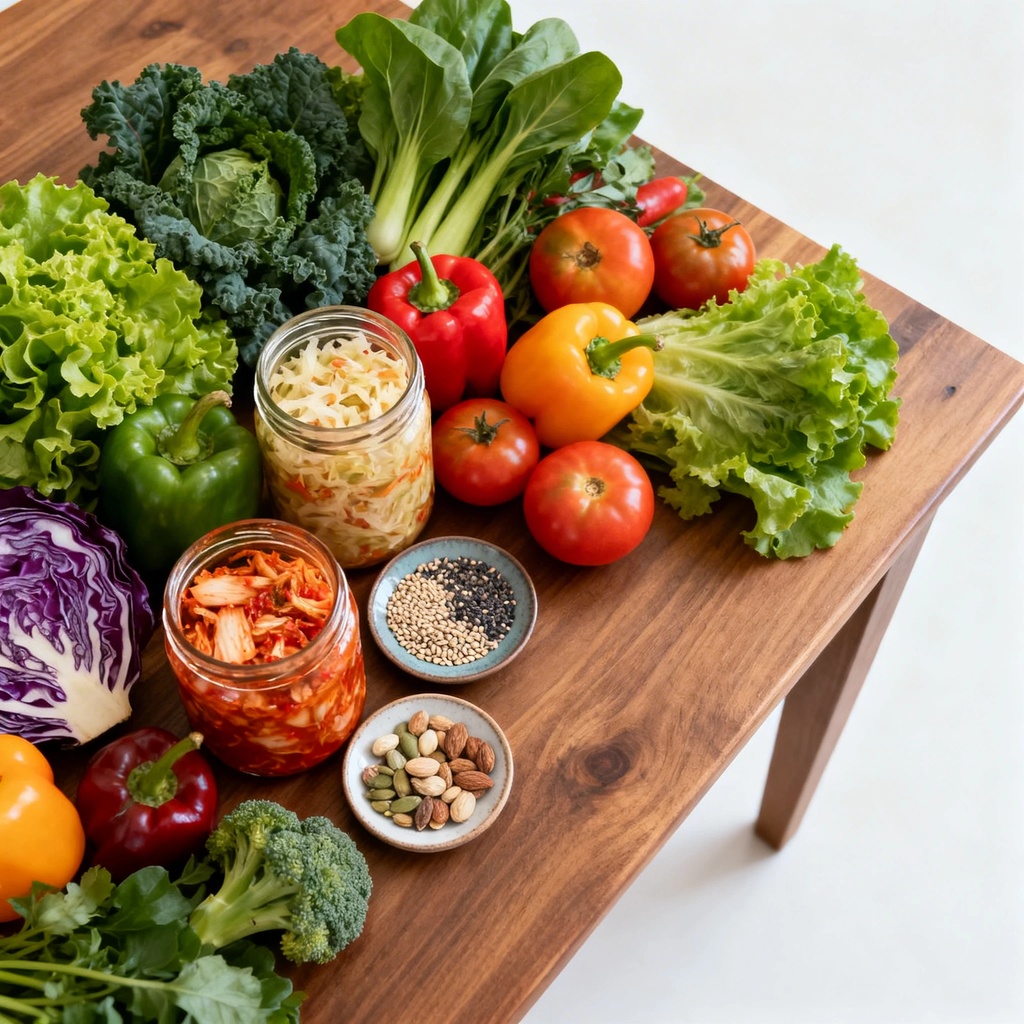
- Colorful Vegetables and Fruits: A rainbow of plants provides antioxidants that combat oxidative stress and fibers that feed good bacteria. Berries, leafy greens, and cruciferous vegetables like broccoli are powerhouses.
- Healthy Fats: Avocado, olive oil, and nuts support cellular health, including the cells of your skin and gut lining.
- Bone Broth and Collagen: Rich in amino acids like glycine and proline, which are crucial building blocks for repairing the gut lining.
Incorporate Fermented Foods and Diverse Fibers
This is where you actively reseed and feed your beneficial gut bacteria.
- Probiotic-Rich Foods: Introduce beneficial bacteria directly with fermented options like sauerkraut, kimchi, kefir, plain yogurt, and kombucha. Start with small servings to allow your system to adjust.
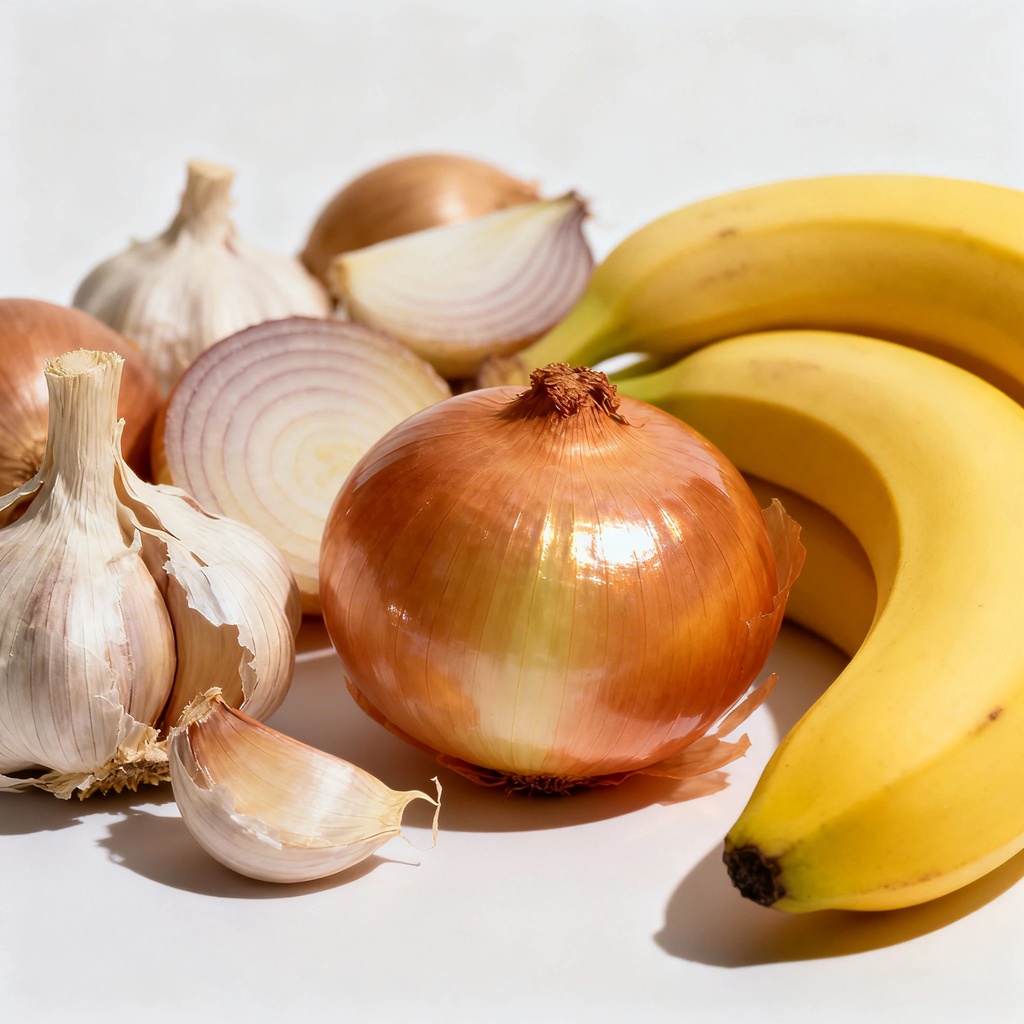
- Prebiotic Fibers: These are the food for your probiotics. Include garlic, onions, leeks, asparagus, bananas, and oats. A diverse fiber intake is one of the most powerful things you can do for microbiome health, promoting the production of short-chain fatty acids that strengthen the gut and reduce inflammation.
Identify and Eliminate Personal Food Triggers
This is a critical, personalized step. Common inflammatory culprits include:
- Refined Sugar and Processed Foods: These can feed harmful bacteria and yeast, promoting dysbiosis.
- Dairy and Gluten: For many individuals (not all), these proteins can be difficult to digest and may trigger an immune or inflammatory response. This doesn't mean everyone must avoid them, but they are common suspects worth investigating if you have persistent issues.
- Industrial Seed Oils: High in inflammatory omega-6 fats, oils like soybean, corn, and canola oil are prevalent in processed foods.
The most effective way to identify your triggers is through an elimination diet. Remove a suspected food group (like dairy or gluten) for a minimum of 3-4 weeks, monitor your skin and digestion closely, then reintroduce it and observe any reactions.
| Dietary Approach | Core Focus | Best For | Key Considerations |
|---|---|---|---|
| Elimination Diet | Identifying specific food triggers (e.g., dairy, gluten, eggs) by removing then reintroducing them. | Individuals with clear flare-ups linked to meals, or those who have tried general healthy eating without full resolution. | Requires strict discipline and careful tracking. Best done with guidance to ensure nutritional adequacy. Not a long-term diet, but a diagnostic tool. |
| Anti-Inflammatory Protocol | Building all meals around whole, nutrient-dense foods known to reduce systemic inflammation. | Anyone with chronic skin inflammation (acne, rosacea, eczema) or seeking a foundational, health-promoting way of eating. | A sustainable, long-term lifestyle. Less about restriction, more about abundance of good foods. May still miss individual triggers. |
| Gut Microbiome Focus | Increasing diversity of plant fibers (prebiotics) and incorporating fermented foods (probiotics) to directly support microbial balance. | Those with digestive symptoms (bloating, irregularity) alongside skin issues, or after a course of antibiotics. | Can cause initial gas or bloating as microbiome adjusts. Emphasis on variety—eating 30+ different plants weekly is a great goal. |
| Combined Pathway | Utilizing elements of all three above in a phased approach: first anti-inflammatory base, then add microbiome support, then test elimination if needed. | Most people seeking comprehensive gut-skin healing. Provides structure and allows the body to adjust progressively. | The most thorough approach. Requires the most planning and patience but addresses multiple layers of the problem. |
Beyond diet, other lifestyle factors are crucial for overall wellness. Let's explore how stress, sleep, and exercise impact your gut and skin health.
Beyond the Plate: Essential Lifestyle Factors for the Gut-Skin Axis
While diet is the cornerstone, it operates within the context of your overall lifestyle. Ignoring these factors can undermine even the best dietary efforts.
Scientific Evidence
Who Stands to Benefit Most from a Gut-First Skin Approach?
This strategy is particularly powerful for specific profiles. It is ideal for the man who has tried every over-the-counter and prescription topical for his adult acne with only fleeting results. It’s for the individual whose eczema or rosacea seems to flare predictably with stress or after certain meals. If you experience co-occurring symptoms—like bloating, gas, irregular bowel movements, or heartburn alongside your skin issues—this is a strong signal your gut-skin axis is involved.
This approach is also a proactive, long-term investment for any man focused on aging well. Supporting a healthy gut reduces systemic inflammation, which is a root driver of not only skin aging but many chronic diseases. It’s about building resilience from the inside.
However, a gut-focused approach may not be the immediate first step for acute, severe infections that require medical treatment, or for conditions with a purely genetic or strong external trigger. It is also not a replacement for working with a dermatologist for diagnosed conditions. Think of it as a complementary, foundational strategy.
Realistic Timelines and Setting Expectations
Healing your gut to heal your skin is a process of repair, not a quick detox. It requires patience and consistency. You may notice initial internal shifts—like improved digestion, more stable energy, or reduced bloating—within a few weeks of dietary and lifestyle changes.
Visible skin improvements typically take longer. The skin cell turnover cycle is roughly 28 days, so it takes at least one full cycle for new, healthier cells to come to the surface. For significant calming of inflammatory conditions like moderate acne or eczema, a realistic timeline is two to three months of consistent practice. For more entrenched issues, it may take six months or longer. The key is to look for a gradual reduction in the frequency and severity of flares, not overnight perfection. Giving up after four weeks is the most common reason people don't see the benefits.
Navigating Potential Pitfalls and Mistakes
Enthusiasm can sometimes lead to missteps that slow progress. A major mistake is launching into an extremely restrictive "healing" diet overnight, which can be stressful for the body and mind, and difficult to maintain. Another is over-supplementing—loading up on numerous probiotics, herbs, or enzymes without understanding their purpose or how they interact. This can cause discomfort and is an unnecessary expense when starting.
Perhaps the biggest pitfall is the expectation of a linear, perfect recovery. Healing is often non-linear; you may have a great week followed by a minor flare. This doesn't mean the approach isn't working. It’s crucial to avoid self-diagnosing serious conditions. If you suspect issues like SIBO or significant intestinal permeability, working with a knowledgeable healthcare practitioner for targeted testing and guidance is wise.
A Practical, Sustainable Starter Plan
Begin with addition, not subtraction. For the first two weeks, focus on these simple adds:
- Double Your Veggies: Add one extra serving of non-starchy vegetables to both lunch and dinner.
- Hydrate: Drink half your body weight in ounces of water daily.
- Introduce One Ferment: Add a small spoonful of sauerkraut or kimchi to your meal, or have a few ounces of kefir.
- Swap One Snack: Replace one processed snack per day with a whole-food option (e.g., an apple with almond butter, a handful of nuts).
- Manage One Stress Point: Dedicate 5 minutes in the morning or evening to deep, slow breathing.
After this foundation feels normal, you can begin to gently subtract—like reducing sugary drinks or cutting back on fast food. This gradual method allows your microbiome and habits to adapt without shock, creating lasting change.
Frequently Asked Questions
A: For many, addressing gut health leads to significant, lasting improvement and can effectively "clear" their acne, especially when it's driven by internal inflammation or food sensitivities. It targets a root cause. While it may not be a universal cure—particularly for acne with strong hormonal drivers—it often drastically reduces the severity and frequency of breakouts and improves the skin's overall health, making it a cornerstone of any long-term strategy.
Q: Are probiotic supplements necessary, or can I get enough from food?A: For most people beginning this journey, focusing on probiotic-rich foods is the best and safest first step. Foods like yogurt, kefir, sauerkraut, and kimchi provide a diverse array of beneficial bacteria along with other nutrients. Supplements can be useful in specific situations, such as after a course of antibiotics or when targeting a particular strain with researched benefits. However, they are not a mandatory starting point. Building a robust microbiome through a diverse, fiber-rich diet is the primary goal.
Q: I've heard about "leaky gut." How do I know if I have it?A: Increased intestinal permeability, or "leaky gut," is typically a symptom of an underlying imbalance, not a standalone diagnosis. Signs that may suggest it include chronic digestive issues (bloating, gas, irregularity), the development of new food sensitivities, systemic inflammation (like joint aches or skin problems), and autoimmune conditions. There is no single perfect diagnostic test for it in routine practice. If you have persistent skin issues coupled with digestive discomfort, it's a reasonable indicator that gut lining integrity may be compromised and contributing to inflammation.
Q: Is this gut-focused approach safe alongside treatment for eczema or rosacea from my dermatologist?A: Absolutely. A gut-health strategy centered on whole foods, reducing inflammation, and managing stress is generally safe and highly complementary to conventional dermatological treatments. In fact, many dermatologists now acknowledge this connection. It's about supporting the body's foundation. However, you should always discuss any major dietary changes, especially elimination diets, with your doctor or dermatologist to ensure it aligns with your overall care plan and nutritional needs.
Q: If I could only do one thing today to help my gut and skin, what should it be?A: Without a doubt, increase your intake of diverse plant-based fibers. Fiber is the primary fuel for your beneficial gut bacteria. Don't overcomplicate it. Add a handful of spinach to your morning eggs, snack on some raspberries, or toss some lentils into your soup. This single action of feeding your good bacteria is the most direct and impactful step you can take to begin shifting your internal ecosystem toward balance and reducing the inflammatory signals that affect your skin.
📌 Love this guide? Save it on Pinterest!
Pin Gut-Skin Connection 2026: Clear Skin Through Internal Harmony to your board so you can come back to it later.

