
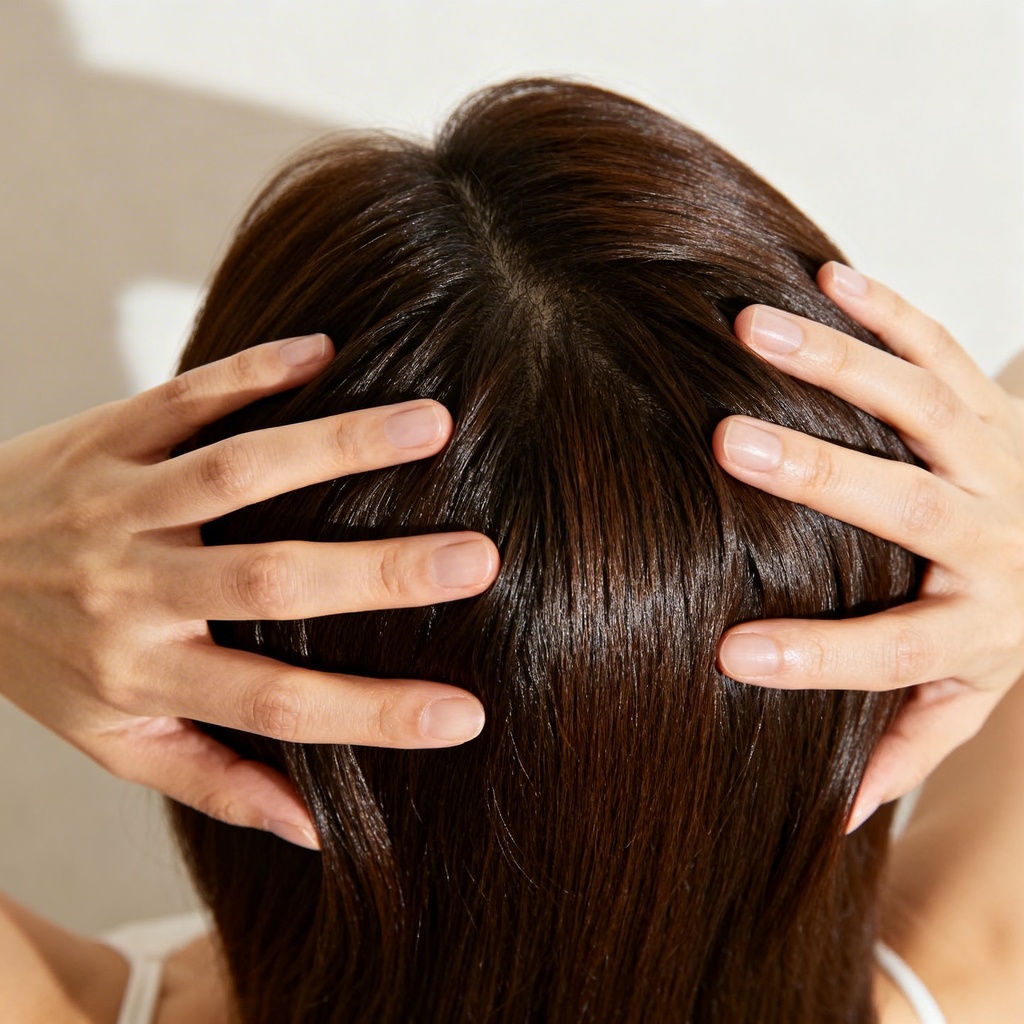
You’ve weathered the storm—the intense job change, the personal crisis, the health scare—and your life is finally calming down. Yet, months later, you’re still finding alarming amounts of hair on your pillow, in the shower drain, and on your brush. This disconnect between your improved stress levels and your ongoing hair shedding is a specific, deeply frustrating experience shared by countless people right now. The common advice to “just reduce stress” feels hollow when you’ve already done that. This article addresses that exact frustration, explaining the biological lag behind your continued hair loss and providing a realistic, evidence-based framework for genuine recovery that moves beyond oversimplified solutions and supplement hype.
Understanding Telogen Effluvium and Recovery Phases
Telogen effluvium is a form of temporary, diffuse hair loss triggered by a significant physical or emotional shock to the system. To grasp why recovery isn’t instantaneous, you need a basic understanding of the hair growth cycle. Each hair follicle operates on its own schedule, cycling through three key phases: a long growth period (anagen), a brief transitional shutdown (catagen), and a resting phase (telogen) that ends with the hair shedding. A major stressor—be it surgery, severe emotional distress, or a drastic change—can act as a biological alarm, forcing a large percentage of your actively growing hairs to prematurely halt growth and enter the telogen phase. The crucial detail is the delay: the hair is programmed to shed, but it doesn’t actually fall out until 2 to 4 months later. This is why the most dramatic shedding often hits long after the stressful event has passed. True recovery—the process of those same follicles reactivating and producing new, visible hair—requires another 3 to 6 months of consistent support. Your body isn’t ignoring your efforts; it’s operating on a biological timeline that cannot be rushed.
Regain control of your hair's natural cycle.
 👉 Explore Natural Solutions
Support healthy regrowth with targeted nutrition and gentle care.
Why Your Hair Is Still Falling Out Even Though Stress Decreased
The core of the frustration lies in this biological lag. If your major stressor resolved two months ago, the hairs falling out today were pushed into their shedding phase by that original event. Your current shedding is a reflection of your body’s past state, not a sign that your current stress-management efforts are failing. Beyond this inherent delay, two other critical factors often prolong the hair loss recovery timeline after a stressful period.
The Secondary Stress of Hair Loss Itself
Watching clumps of hair fall out is inherently distressing. This anxiety can become a self-perpetuating secondary stressor, creating a vicious cycle where fear about hair loss triggers the physiological stress response, potentially prolonging the telogen effluvium or triggering new waves of shedding. Breaking this anxiety feedback loop is a non-negotiable, yet frequently overlooked, component of any effective post-stress hair loss recovery protocol.
Unaddressed Nutritional Depletion
Significant stress doesn’t just affect your mind; it depletes your body. It can rapidly consume stores of key nutrients like iron, zinc, and B vitamins, which are essential for hair protein synthesis and follicle function. If these deficiencies are not identified and corrected, your body lacks the fundamental building blocks to effectively restart the hair growth cycle. This is a primary reason why your hair is still falling out months after stress ended, even with a generally healthy diet. Your body will prioritize vital organs over hair growth when resources are scarce.
Let's explore how to nourish your body back to health. Addressing these nutritional needs can be a game-changer.
Nutrition and Lifestyle Factors That Actually Speed Recovery
Moving beyond generic “eat healthy” advice requires focusing on the specific nutrients that serve as the raw materials for hair regrowth and the lifestyle factors that create a hospitable environment for recovery.
Protein is the foundational building block of hair, which is primarily made of keratin. Inadequate protein intake directly limits your body’s ability to produce new hair. Iron, particularly as measured by ferritin (your stored iron), is critical for delivering oxygen to hair follicles; low ferritin is a well-documented contributor to persistent shedding. Zinc plays a vital role in hair tissue growth and repair, while B vitamins like Biotin (B7) and others are involved in cellular energy production within the follicle.
Speaking of essential nutrients, have you explored the citicoline benefits for men?
Unlock your hair's full recovery potential.
👉 Explore Natural Solutions
Discover a personalized plan to revitalize your hair after stress.
The goal is not to blindly take a cocktail of supplements but to adopt a targeted, nutrient-dense diet: think lean meats, lentils, and spinach for iron; eggs, fish, and poultry for protein and B vitamins; and pumpkin seeds and shellfish for zinc. Prioritizing sleep is equally critical, as growth hormone, released during deep sleep, is vital for tissue repair and regeneration.
For those looking to optimize their overall health, consider reading about the best testosterone booster for men over 40 that actually works.
Common Recovery Mistakes and False Expectations
Many well-intentioned people inadvertently stall their progress by falling into predictable traps fueled by impatience and misinformation.
One of the most common errors is abandoning supportive habits too early due to unrealistic expectations. Because the regrowth phase is invisible for the first few months, people often conclude “nothing is working” and stop their nutritional or stress-management practices just before they would have begun to see results. Another mistake is chasing external, expensive solutions—like unproven topical serums or laser devices—while neglecting the internal, foundational work of correcting nutrient deficiencies and managing stress. Overly aggressive scalp scrubbing or harsh chemical treatments, done in a desperate attempt to “stimulate” growth, can further damage fragile new hairs and the scalp itself. Finally, attributing all hair loss to stress can cause you to miss other overlapping conditions, such as genetic pattern hair loss or thyroid dysfunction, delaying appropriate treatment.
It's important to remember that stress can impact various aspects of well-being. Let's look at some recovery pathways.
Scientific Evidence
Comparing Realistic Recovery Pathways
Recovery isn’t one-size-fits-all. Your starting point—the severity of shedding, underlying health, and lifestyle constraints—determines which approach makes the most sense. The following table outlines common pathways to frame your expectations.
| Approach | Best For | Timeline to Noticeable Change | Key Consideration |
|---|---|---|---|
| Foundational Lifestyle & Diet Focus | Those with mild shedding, no known deficiencies, who prefer a food-first approach. | 6-9 months | Requires high consistency in nutrition and stress management. Progress may be slower if subtle deficiencies are present. |
| Targeted Deficiency Correction | Individuals with confirmed (via testing) low iron, vitamin D, or zinc, or those with significant dietary gaps. | 4-8 months | Blood work is essential to guide supplementation. Correcting a deficiency can dramatically accelerate stabilization and regrowth. |
| Integrated Protocol (Lifestyle + Targeted Support) | Most people with moderate to significant shedding who want a comprehensive, evidence-based plan. | 3-6 months for shedding to slow; 6-9 months for visible regrowth | Combines stress management, optimized nutrition, gentle scalp care, and specific supplements based on need. This is often the most effective path for **post-stress hair loss recovery**. |
| Specialist-Guided Care | Anyone with no improvement after 6 months, patchy hair loss, or suspected overlapping conditions (e.g., hormonal, autoimmune). | Varies by diagnosis | Crucial for ruling out other causes of hair loss. A dermatologist can provide treatments beyond basic telogen effluvium management. |
Realistic Recovery Timeline and When to Seek Help
Managing expectations is a powerful tool for reducing the anxiety that hinders recovery. A typical telogen effluvium recovery how long does it take journey unfolds in distinct, non-linear phases.
The Shedding Phase itself can last 3 to 6 months from the initial trigger. This is followed by a Stabilization Phase, where daily hair fall gradually decreases back to your personal baseline; this transition can take 1 to 2 months. Only then does the Regrowth Phase begin. You may start to notice short, often lighter “baby hairs” around your hairline and part 3 to 6 months after shedding stabilizes. Full restoration of density and length is a marathon, often taking 12 to 18 months from the onset of shedding.
It's also worth noting that stress can impact relationships; understanding Why do men lose attraction in long relationships can be beneficial during this time.
Consult a dermatologist or doctor if you experience patchy bald spots instead of diffuse thinning, intense scalp itching, burning or pain, shedding that does not reduce at all after 6-9 months of diligent effort, or if you have other symptoms like unexplained weight changes or fatigue, which could point to thyroid or other systemic issues. A review of the literature highlights that telogen effluvium is a common cause of hair loss. Telogen Effluvium: A Review of the Literature.
Building a Post-Stress Hair Recovery Protocol
An effective protocol is a sustainable system, not a chaotic list of chores. It integrates four supportive pillars designed for busy people seeking post-stress hair loss recovery tips.
1. Stress Management 2.0: Move beyond “try to relax.” Actively dismantle the hair-loss anxiety loop. Practices like daily mindfulness meditation, journaling to vent fears, or even limiting mirror checks and hair counting can reduce the cortisol output that fuels the cycle. 2. Targeted Nutritional Action: Base your diet on adequacy. Prioritize iron-rich foods (lean red meat, lentils, dark leafy greens), sufficient protein (aim for a palm-sized portion with each meal), zinc sources (pumpkin seeds, oysters), and omega-3s (fatty fish, walnuts). Consider a high-quality multivitamin as a safety net, but invest in blood testing to guide specific supplementation for iron, vitamin D, or B12 if needed. 3. Gentle Scalp and Hair Care: Your scalp is the garden where new hair grows. Treat it gently. Use a mild, sulfate-free shampoo, minimize high-heat styling, and avoid tight hairstyles that cause traction. A soft, daily scalp massage with your fingertips can support circulation without aggression. 4. Sleep and Routine Protection: Prioritize 7-8 hours of quality sleep per night as non-negotiable. Establish consistent routines for meals and sleep to signal safety to your nervous system, further reducing background stress.Small changes to your daily habits can make a big difference. Consider how these strategies can fit into your lifestyle.
Supporting Scalp Health and Minimizing Further Damage
While the root cause is internal, creating an optimal external environment prevents unnecessary loss of the hair you have and the new hair struggling to grow. Mechanical stress is a preventable setback. Switch to a wide-tooth comb for detangling, starting from the ends and working upward. Reduce the frequency of hot tools and chemical processes like bleaching or perms during recovery. Opt for loose hairstyles and consider a silk or satin pillowcase to minimize friction and breakage overnight. The goal is to be a guardian for your regrowth, removing any external obstacles to its success.
Frequently Asked Questions

After the intense shedding begins to slow—which can take 3 to 6 months—you can typically expect to see the first signs of new regrowth within another 3 to 6 months of consistent recovery support. These new hairs will appear as short, often finer strands along your hairline and part. Full recovery of your hair’s previous density and length is a longer process, commonly taking 12 to 18 months from the initial onset of shedding.
I'm eating well and less stressed, so why is my hair still falling out?This is the most common point of confusion. The hairs shedding now were likely pushed into their telogen phase by the stress you experienced months ago; you are seeing a delayed reaction. Furthermore, “eating well” may not correct specific nutrient deficiencies that were exacerbated by the stress period, such as low ferritin (iron stores) or zinc. A blood test can identify these gaps. Also, the ongoing anxiety about the hair loss itself can perpetuate the stress cycle, making active anxiety management a key part of the solution.
What are the red flags that my hair loss might not be just from stress?Consult a healthcare professional if you notice any of the following: patchy or completely bald spots (rather than diffuse thinning), a painful, itchy, or inflamed scalp, significant changes in body or facial hair, or if you see absolutely no reduction in daily shedding after 6-9 months of dedicated lifestyle and nutritional intervention. These could indicate conditions like alopecia areata, scarring alopecia, or hormonal imbalances that require different treatment.
Are there specific supplements I should take for post-stress hair loss recovery?The most evidence-backed supplements are those that address common deficiencies linked to telogen effluvium. These include iron (specifically if a ferritin test shows a deficiency), vitamin D, zinc, and a B-complex vitamin. It’s generally more effective to seek out individual, high-quality supplements or a reputable multivitamin that provides clear, clinical doses of these nutrients rather than proprietary “hair growth blends,” which often contain unproven ingredients in insufficient doses. Always discuss new supplements with your doctor.
Can washing or brushing my hair less often help stop the shedding?Reducing washing or brushing doesn’t stop the biological process of telogen effluvium. It simply allows the hairs that have already completed their telogen phase to accumulate, so they all shed at once during your next wash or brush session, which can be more shocking. Gentle, regular washing (every 2-3 days) is beneficial for scalp health. The key is technique: use a gentle shampoo, a conditioner to minimize tangles, and a wide-tooth comb on wet hair to prevent breakage of hairs that are still growing.
📌 Love this guide? Save it on Pinterest!
Pin Post-Stress Hair Loss Recovery 2026: Regrow Stronger, Thicker Hair Faster to your board so you can come back to it later.

