
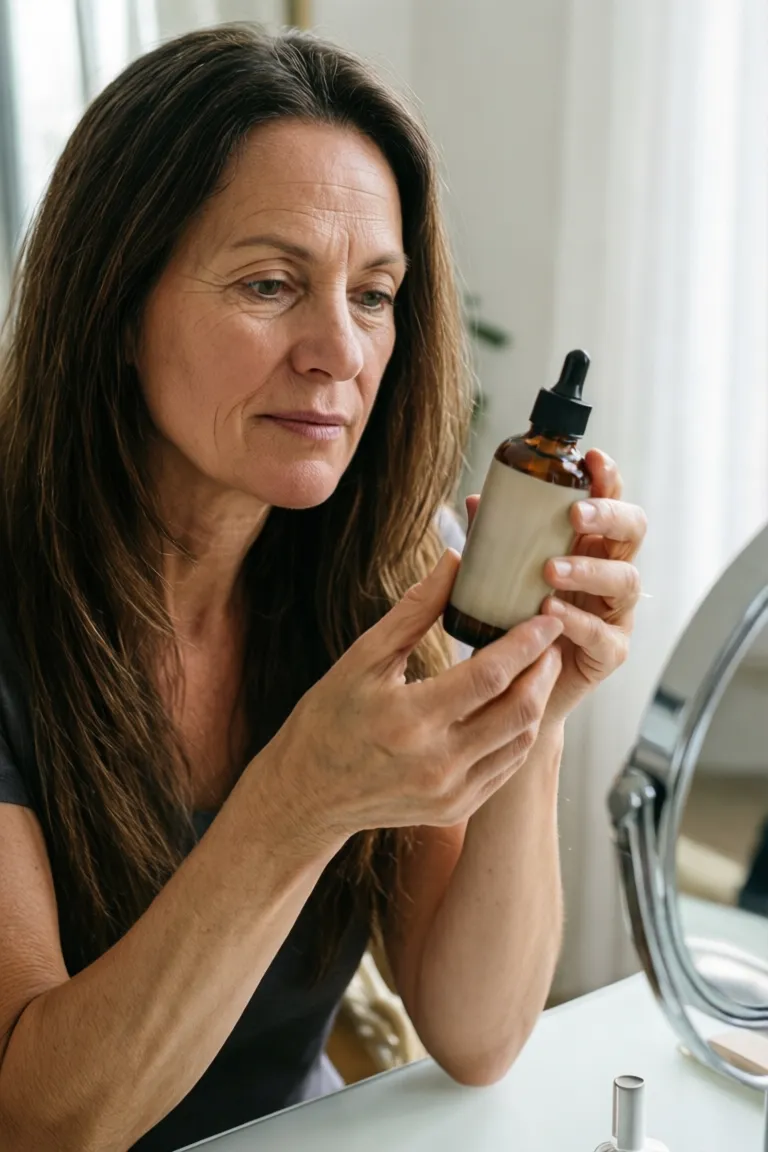
My heart sank a little when I saw the charge on my credit card. It wasn’t the amount—I’d budgeted for a new skincare serum. It was the sinking feeling that I might have just thrown that money into a digital wishing well. At 48, I’ve learned that investing in my skin is non-negotiable, but I’ve also learned the hard way that not every investment pays off. This time, the stakes felt higher. I wasn’t just buying a moisturizer; I was buying hope. Hope for a little more firmness, a little less visible fatigue, a little more of my former glow. And the last thing I wanted was for that hope to be diluted, or worse, counterfeit, because I clicked “Add to Cart” in the wrong place. The journey to finally holding that authentic Skinception bottle in my hands was a masterclass in modern consumer anxiety, a tightrope walk between the siren song of Amazon’s convenience and the quiet promise of an official store. This is my story, not just of buying a product, but of navigating the murky waters of trust online, and why that choice became the most important part of my entire skincare routine.
My Skincare Journey: Why I Even Considered Skinception in the First Place
For years, my skincare routine was a loyal, if unexciting, marriage to department store brands. I followed the rules: cleanse, tone, moisturize, SPF. But after my 45th birthday, the rules seemed to stop working as well. The fine lines around my eyes were becoming less “fine” and more “permanent guests.” My skin’s elasticity, which I’d always taken for granted, seemed to be on a slow vacation. It wasn’t about wanting to look 25 again; it was about wanting my face to reflect the energy I still felt inside, not the fatigue of a long week. I started diving deeper into ingredient lists, moving beyond marketing and into the science of peptides, growth factors, and retinoids. That’s where Skinception entered my radar. The clinical studies, the specific targeting of mature skin concerns like loss of firmness and deep wrinkles—it spoke a language I was starting to understand. This wasn’t an impulse buy. It was a calculated decision after months of reading PubMed abstracts and watching dermatologist breakdowns on YouTube. Because I had done so much research, the purchase itself felt monumentally important. Getting a fake, an old batch, or a tampered-with product wasn’t just a waste of $80; it was a derailment of my entire skincare strategy and a betrayal of the time I’d invested. That’s why the question of where to buy Skinception for best results became so paralyzing. It felt like I’d done all this homework, only to have the final exam be a multiple-choice question where every answer looked suspicious.
Identifying My Specific Skin Concerns
My main battles were two-fold: a loss of definition along my jawline that made me look perpetually tired, and those stubborn “marionette” lines that seemed to deepen every time I looked in a magnifying mirror. I’d tried hyaluronic acid serums for plumping and gentle retinol alternatives, but the results were temporary or minimal. I needed something that addressed the skin’s structure, not just its surface hydration. Skinception’s claims about supporting elastin and collagen production directly targeted my core concerns, which made the prospect of a counterfeit—filled with who-knows-what—genuinely frightening for my skin’s health. I wasn't just worried about wasting money; I was worried about causing damage. My skin at this age feels more like a delicate ecosystem than a blank canvas, and introducing an unknown variable felt reckless.
Previous Skincare Attempts and Disappointments
Before Skinception, my bathroom cabinet was a graveyard of good intentions. There was the “miracle” cream that promised lifting in 14 days but just gave me milia. The expensive serum that smelled divine but did nothing but lightly moisturize. Each disappointment wasn't just a financial hit; it was an emotional letdown. You start to question your own judgment. "Is it the product, or is it just me? Is this the best it's going to get?" That cumulative weariness made me extra cautious. I was done with quick fixes and flashy marketing. I wanted evidence, and I wanted a direct line to the source. This history is what made the final purchasing decision feel so heavy—it was the culmination of years of trial, error, and hope.
The Amazon Allure: Why I Almost Clicked 'Buy Now' (and the Red Flags I Noticed)
Of course, my first instinct was to check Amazon. It’s my default for everything from books to batteries. The convenience is intoxicating: one-click ordering, Prime delivery, and a familiar return process. The price listed was also slightly lower than what I’d seen mentioned elsewhere, which triggered that little dopamine hit of feeling like a savvy shopper. My cursor hovered over the yellow “Buy Now” button. But then, my researcher’s brain kicked in. I scrolled down. The listing was a jumble. The “by” line didn’t say “Skinception” or “Leading Edge Health.” It had a generic, forgettable seller name. I clicked on it and saw they also sold phone chargers, kitchen gadgets, and dog toys. A skincare company specializing in clinical-grade ingredients doesn’t typically operate out of the same digital storefront as a universal remote control. That was my first, gut-level pause.
Spotting Potential Counterfeit Indicators
The reviews were the real eye-opener. Sorted by most recent, they were a chaotic mix. Five-star reviews with generic, copy-paste language like “Great product!” sat right next to one-star horror stories. One reviewer posted a side-by-side photo comparing a bottle from this seller to one she’d bought previously from the brand’s site. The font was blurry, the packaging color was off, and the serum consistency, she claimed, was watery and smelled different. Another simply said, “I don’t think this is the real thing. My skin broke out.” This directly answered the question I was secretly asking: is Skinception on Amazon real or fake? The answer, for this specific listing, seemed to be a risky gamble. I realized I wasn’t just buying from Amazon; I was buying from an anonymous third-party seller on Amazon’s platform. That distinction became my red flag. The Skinception Amazon vs official website price difference of maybe $15 suddenly seemed like a very cheap insurance policy against getting a bottle of ineffective, or even harmful, mystery liquid.
Understanding Amazon's Third-Party Seller Model
I dug a little deeper and learned about "commingled inventory." This is where products from different sellers—the official brand and random third parties—get mixed together in Amazon's fulfillment centers. So even if you select a reputable seller, the bottle that gets pulled from the shelf and sent to you could have come from a completely different, shady source. There's no way to trace it. This was the deal-breaker for me. It meant that no matter how carefully I selected a seller, the system itself couldn't guarantee the authenticity of the physical item that would land on my doorstep. For a book or a spatula, that risk might be acceptable. For a potent skincare product I planned to put on my face every day, it felt like playing Russian roulette with my skin's health. This was the moment my anxiety crystallized into a clear rule: for skincare, Amazon is a minefield unless you can verify it's shipped directly from the brand's official storefront on the platform.
Navigating the 'Official Store': What I Looked For to Feel Confident
Spooked by Amazon, I went back to basics: a Google search for “Skinception official website.” The first result looked promising, but I’ve read enough online scam stories to proceed with caution. I didn’t just click; I investigated. The URL was clean and brand-specific, not a long string of gibberish. I looked for the “https://” and the padlock icon—non-negotiables for any site where I’d enter payment info. I navigated to the “Contact Us” page. A real address and phone number were listed, not just a contact form floating in the digital void. I searched for their return policy and found a clear, 67-day money-back guarantee. This was a huge trust signal; a fly-by-night operation doesn’t offer you two months to decide if a product works. It showed they stood behind their product enough to give it time to prove itself.
Understanding Return Policies and Customer Support
I then looked for external validation. I found links to the clinical studies they referenced. I saw they were operated by Leading Edge Health, a company with a track record in the wellness space. They offered bundle deals and loyalty discounts, which felt like the kind of promotion a legitimate brand uses to build direct customer relationships, not just move inventory. The entire experience was curated, consistent, and transparent. It felt like walking into a brand’s flagship store instead of a chaotic flea market booth. This process of navigating the 'official store' gave me the confidence I desperately needed. I wasn’t just buying a product; I was entering a relationship with a company that had a reputation to uphold and a customer service team I could actually reach. The peace of mind was worth every penny of the potential price difference. I also found information about firming skin treatment for women over 40 that actually works, which further solidified my research.
Security Features and Payment Gateways
I paid close attention at checkout. The payment gateway was a well-known, secure service. I wasn't redirected to some obscure payment portal I'd never heard of. They offered multiple payment options, including credit cards and PayPal, which adds an extra layer of buyer protection. The whole process felt seamless and professional. There were no pop-ups screaming "ONLY 2 LEFT!" or countdown timers pressuring me to buy—just a clean, straightforward path to purchase. This calm, confident presentation was the antithesis of the anxious, confusing Amazon listing, and it directly addressed my fear of being scammed. I finally felt like I was in the right place.
My Experience: The Real Difference Between Where You Buy and What You Get
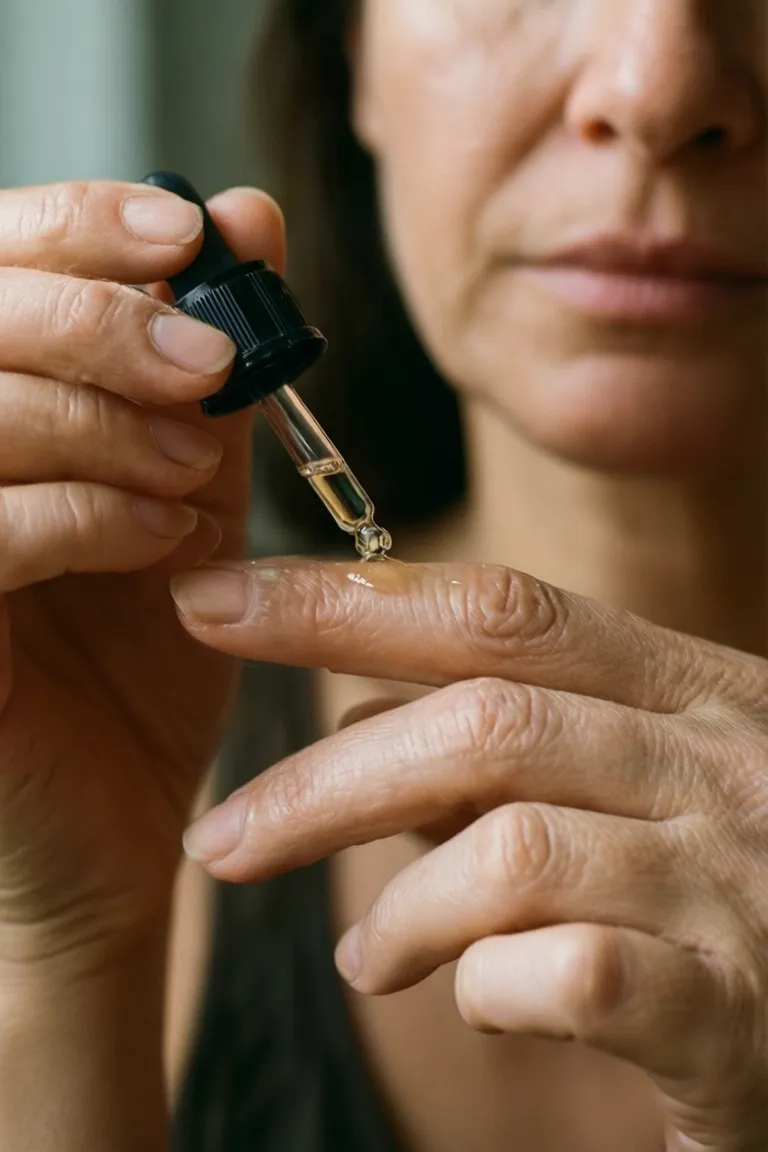
The package arrived in a branded box, well-padded, with a professional packing slip. The bottle itself felt substantial—the glass had a heft to it, the dropper was precise. The labeling was crisp, the instructions clear. When I opened it, the serum had a distinct, clean, slightly botanical scent and a viscous, luxurious texture that felt instantly different from the watery serums I’d tried before. This was my first tangible reward for choosing carefully. Applying it became a ritual of confidence, not anxiety. I didn’t wonder, “Is this even doing anything?” because I trusted the ingredients inside were what they claimed to be. That mental shift was profound. I was able to focus on the experience and the results, not on a nagging doubt in the back of my mind.
Consistency in Product Texture and Efficacy
Over the next eight weeks, I tracked my progress with a kind of gentle curiosity, not frantic desperation. By week four, the dryness and tightness I often felt, especially around my cheeks, had noticeably improved. My skin just felt… happier. By week eight, the real victory emerged: the definition along my jawline was subtly sharper. Those marionette lines were still there, but they looked softer, less etched. My makeup settled differently, without caking into those lines. Now, I can’t say for certain that a bottle from Amazon wouldn’t have yielded the same results. But I can say with absolute certainty that I would have spent those eight weeks in a state of doubt, questioning every non-result, blaming myself or my skin instead of a potentially inferior product. The real difference between where you buy and what you get isn’t always just in the physical product—it’s in the mental space you inhabit while using it. The peace of mind from knowing it's genuine allowed me to be patient and consistent, which are half the battle in any skincare journey. My experience buying Skinception from the official site was defined by that trust, which amplified my belief in the product and, I’m convinced, my results. I also learned that is firming skin treatment for women over 40 worth the money, and the answer is yes, when sourced correctly.
| Where You Buy | What You're Really Getting | Emotional Cost | Realistic Outcome |
|---|---|---|---|
| Third-Party Seller on Amazon | A gamble; could be authentic, expired, diluted, or counterfeit. | High anxiety, doubt, fear of skin reaction. | Unpredictable results; potential waste of money and time. |
| Amazon (Shipped/Sold by Amazon) | Better, but risk of commingled inventory with fakes remains. | Moderate worry, especially for high-ticket skincare. | Likely authentic, but verification is harder; peace of mind is partial. |
| Official Brand Website | Guaranteed authenticity, fresh stock, direct customer support. | Initial investment higher, but long-term peace of mind is total. | Predictable, optimal results supported by brand accountability. |
| Unauthorized Discount Sites | High probability of counterfeit, expired, or tampered goods. | Extreme risk, potential for financial and skin harm. | Almost always negative; skin damage and total financial loss. |
Don't Make My Mistake: How to Protect Your Wallet (and Your Skin) When Buying Online
My near-miss with a questionable Amazon seller taught me more than just where to buy one product; it taught me a new protocol for any online skincare purchase. First, I now always treat the official brand website as my primary source of truth. I use it to learn the correct packaging, the standard pricing, and the authorized retailers. If I do look on Amazon, I now look only for listings that are “Shipped from and Sold by Amazon.com” or, even better, that clearly state they are the official brand storefront on Amazon. I avoid commingled inventory third-party sellers at all costs. This isn't about being paranoid; it's about being a proactive protector of my own well-being.
A Checklist for Safe Online Skincare Shopping
My personal checklist now includes: verifying the seller’s name and history, reading the critical and recent reviews with a focus on authenticity complaints, comparing product images pixel-by-pixel with the official site, and never being seduced by a price that seems “too good to be true.” Skincare is a biological interaction, not just a retail transaction. Prioritizing long-term skin health over short-term savings is the ultimate lesson. If you’re wondering where is the safest place to buy Skinception or any premium skincare, let my anxiety be your guide. The few dollars you might save aren’t worth the risk of irritation, wasted time, or the erosion of trust in your own routine. Invest in the source as mindfully as you invest in the product itself.
Reporting Suspicious Sellers and Products
I also learned to be part of the solution. If I see a blatantly fake product listing or receive a counterfeit, I now know to report it immediately to the platform (like Amazon) and to the brand itself. Brands often have dedicated teams to track down counterfeit operations, and your report can help them take action. This isn't just about getting your money back; it's about protecting the next person from falling into the same trap. It turns a moment of frustration into a small act of consumer advocacy.
Scientific Evidence
The Emotional Cost of Counterfeit Skincare
What finally cemented my choice was a story I read on a beauty forum. A woman described a severe allergic reaction to a counterfeit vitamin C serum she bought from a third-party seller. Her journey to heal the rash set her back months and shattered her confidence in her skin. It hit me then that the risk wasn’t just financial or about ineffective results; it was about physical harm. My skin at 48 is more sensitive, more reactive than it was at 30. Introducing an unregulated, potentially contaminated substance was a gamble with my comfort and my health. The emotional toll of a bad reaction—the frustration, the setback, the feeling of being violated by a scam—far outweighs any convenience. This realization framed my entire purchase as an act of self-care that started with the click of the “buy” button, not just with the application of the serum. Choosing the official store was how I honored my skin’s vulnerability and my own standards. It was a declaration that my well-being was worth the extra step. The science behind effective skincare ingredients is complex, and ensuring you're using genuine products is crucial for achieving desired outcomes, much like understanding the efficacy of treatments for conditions such as atopic hand and foot dermatitis, where proper formulation and delivery are key, as highlighted in studies like Dupilumab treatment improves signs, symptoms, quality of life, and work productivity in patients with atopic hand and foot dermatitis: Results from a phase 3, randomized, double-blind, placebo-controlled trial.
Why Trust and Transparency Matter More Than Ever
In a world where fake reviews and drop-shipping have blurred the lines of online retail, building a direct relationship with brands you trust is becoming a form of consumer self-defense. When you buy from the official buy skinception online official store vs a third party seller, you’re not just a transaction ID; you’re a customer whose satisfaction and safety the brand is directly accountable for. You have a clear channel for support, for questions about ingredients, and for honoring guarantees. This transparency is priceless. It transforms the act of buying from a moment of hope tinged with fear into a moment of confident investment. For those of us who research, who care deeply about what we put on our bodies, this direct line isn’t a luxury; it’s a necessity. It’s the difference between feeling like a savvy consumer and feeling like a potential victim. In an age of digital facades, knowing exactly who you're dealing with is the ultimate luxury.
Final Thoughts: Empowerment Through Diligence
My journey to find authentic Skinception online was, in the end, incredibly empowering. It forced me to slow down, to observe, to question. It turned me from a passive consumer into an active participant in my skincare journey. The serum itself has become a valued part of my routine, but the real lesson was learned before it ever touched my face. It taught me that in the digital marketplace, vigilance is the most important ingredient of all. I share this story not to scare you away from online shopping, but to equip you with the same hard-won wisdom. Your skin, your money, and your peace of mind deserve the security of knowing exactly what you’re getting. Don’t let the convenience of a marketplace shortcut the due diligence that your self-care deserves. The right product from the right source isn't just a purchase; it's a partnership in your own well-being.
Frequently Asked Questions
Q: Is it really unsafe to buy Skinception from Amazon? A: It's not that Amazon itself is inherently unsafe, but the platform's model creates significant risk. The problem is third-party sellers and "commingled inventory," where products from different sources are mixed together in Amazon's warehouses. You could order from a reputable-looking seller but receive a counterfeit bottle that was stored next to it. For peace of mind and guaranteed authenticity, the official website is the safest bet. If you must use Amazon, only purchase listings that are explicitly "Ships from and Sold by Amazon.com" or the verified official brand store.
Q: I already bought a bottle from a third-party seller and I'm worried it's fake. What should I look for? A: First, don't panic, but do stop using it immediately. Compare everything to the official website images: the font clarity, color shades on the box and bottle, the spacing of letters, and the batch code format. Authentic Skinception has a specific, slightly thick, pearlescent texture and a clean, subtle, almost clinical scent—not overpoweringly fragrant or chemically. If yours is watery, separates, smells off, or has any spelling errors on the packaging, it's likely counterfeit. Contact the seller immediately for a refund, and report the listing to Amazon.
Q: The official website is more expensive. Is the product actually different? A: The formula should be identical if purchased from any authorized source. However, the price on the official site reflects the cost of guaranteed authenticity, direct customer support, access to genuine promotions and bundles, and a clear, lengthy return policy. You're paying for certainty, service, and a direct relationship with the brand. Think of the difference as an insurance premium for your skin's health and your overall experience. That Skinception official store vs third party seller choice is ultimately about what kind of risk you're willing to accept.
Q: How can I tell if an online store is the real "official" store? A: Look for a secure "https://" URL and a padlock icon in the address bar. The domain name should exactly match the brand (e.g., skinception.com, not skinception-offers.net). Check for a physical address and phone number under "Contact Us." Legitimate sites will have detailed FAQ pages, clear terms of service, a privacy policy, and often links to their clinical studies. Be deeply wary of sites with prices drastically lower than all others, poor grammar, or that only offer a contact form with no other company details.
Q: What if I see a great discount code for Skinception on a blog or coupon site? A: Use it, but only on the official website! Reputable brands often partner with affiliates who offer genuine codes to drive direct sales. The key is to take that code and manually enter it at the brand's own checkout. Never follow a discount link to an unfamiliar website you haven't vetted. If a deal seems too spectacular (like 70% off), it's almost always a lure to a scam site selling fake goods.
Q: Besides the source, how else can I ensure I get the best results from Skinception? A: Authenticity is the foundational step. From there, consistency is everything. Use it daily as directed, typically on clean, dry skin. Pair it with a good moisturizer and, absolutely crucially, a broad-spectrum sunscreen every single day, as some regenerative ingredients can increase sun sensitivity. Manage your expectations—real skin transformation happens over 8-12 weeks, not overnight. Your skin needs time to cycle and respond.
Q: I'm new to advanced skincare. Is Skinception a good place to start? A: If your primary concerns are the hallmarks of mature skin—loss of firmness, deep wrinkles, and texture changes—and you've done your research on its ingredients, it can be a powerful, focused choice. However, always patch test any new product behind your ear or on your inner arm for 48 hours. If you have extremely sensitive skin, rosacea, or are using multiple prescription topicals, consulting a dermatologist before introducing a new active product is always the wisest first step. It's about building a safe, effective routine, not just adding another bottle to your shelf.
📌 Love this guide? Save it on Pinterest!
Pin Skinception Online: Official Store vs. Amazon Scams in 2026 to your board so you can come back to it later.

