

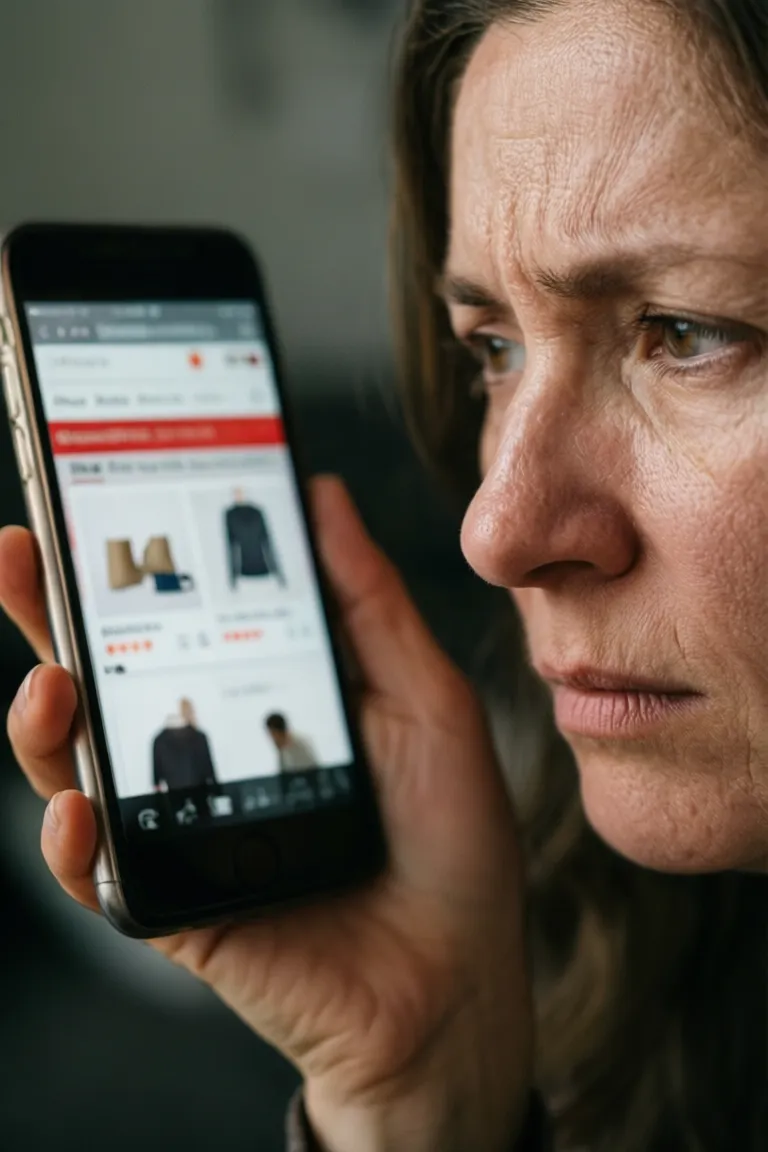
My finger hovered over the mouse. The “Add to Cart” button on Amazon for the Skinception Intensive Age Correction Cream glowed a tempting, confident yellow. At 48, after years of playing whack-a-mole with fine lines and stubborn sun spots, I was finally ready to invest in something that promised real results. This wasn’t an impulse buy; it was a surrender to hope after a decade of disappointing serums and creams that did little more than moisturize. I’d read the testimonials, I’d pored over the before-and-afters on beauty blogs, and I’d convinced myself this could be the one. But just as I was about to click, a cold wave of doubt washed over me. This wasn’t a $20 mascara. This was a premium skincare commitment. A voice in my head, born from past purchases of “designer” perfumes that smelled like alcohol and “authentic” supplements from dubious sellers, whispered: Is this the real thing?
I closed the tab. The frustration was familiar. Here I was, a grown woman with a career and a family, feeling utterly paralyzed by a simple online checkout. I’d been burned before by the convenience of Amazon—a vitamin C serum that arrived separated and oxidized, a “luxury” face oil that caused a rash. Each time, the hassle of returns, the back-and-forth with third-party sellers, and the sinking feeling of wasted money chipped away at my trust. Buying Skinception online safely suddenly felt like navigating a minefield. Was the official store just a markup, or was Amazon a gamble with my skin’s health? This was more than a price comparison; it was a battle between the ease I craved and the confidence I desperately needed. My journey to clear skin had hit a new, unexpected roadblock: the paradox of choice in the digital marketplace.
My Initial Hesitation: Why I Didn't Just Click 'Add to Cart' on Amazon
The allure of Amazon was undeniable. Two-day shipping, a familiar interface, and the comforting chime of a Prime delivery notification. For years, it had been my default for everything from books to batteries. Why should skincare be any different? But this time, the stakes felt higher. My skin wasn’t a household appliance; it was the canvas I presented to the world every day, already bearing the faint map of my laughter and worries. The fear wasn’t just about wasting money—it was about the emotional cost. A bad purchase meant another setback, another sigh in the mirror, another product relegated to the back of the bathroom cabinet as a monument to failed hope. I thought about the Skinception on Amazon real or fake debates I’d glimpsed on Reddit threads, where users passionately argued over batch codes and texture inconsistencies.
My past experiences haunted me. I remembered receiving a popular anti-aging cream from a marketplace seller with a 92% positive rating. The box looked right, but the cream inside was grainier than the sample I’d tried, and it lacked the subtle scent I remembered. The seller assured me it was “a fresh batch,” but the doubt poisoned the entire experience. I never used it. That incident taught me that with premium skincare, authenticity isn’t a luxury; it’s the entire point. You’re not just buying chemicals in a jar; you’re buying the research, the quality control, and the promise of efficacy. Clicking “buy” on Amazon felt like relinquishing control. Was I buying from the brand, from an authorized reseller, or from someone’s garage shelf? That moment of hesitation wasn’t indecisiveness; it was the hard-earned wisdom of a consumer who’d learned that the easiest path isn’t always the right one. I realized I wasn’t just buying a cream; I was buying a potential future of either renewed confidence or deeper frustration. The convenience of one-click ordering suddenly seemed like a trap door, not a shortcut.
Unpacking the 'Official Store' Promise: What I Found Out About Authenticity and Guarantees
So, I turned away from the marketplace and went straight to the source. Navigating to the official Skinception website felt like stepping into a brand’s home. The messaging was clear and focused solely on their products. The first thing I looked for was their guarantee policy. It was prominently displayed: a satisfaction guarantee that felt substantial, not like a footnote. This wasn’t just a return window; it was a promise that stood behind the product’s performance. For someone like me, who’s skeptical of too-good-to-be-true claims, this mattered. It shifted the risk from my shoulders back to the brand’s, where it belonged. I spent a good hour reading their “About Us” section, their ingredient philosophy, and the science behind their formulations. It built a narrative of trust that a fragmented Amazon listing simply couldn’t.
I dug deeper into what “direct from the source” really meant for Skinception authenticity. On their site, they emphasized product integrity—assurances that the actives were at their stated potency, that the products were stored correctly, and that I’d receive a fresh, unadulterated item. This directly addressed my core fear of getting expired or compromised cream. Furthermore, their customer support was presented as a direct line, not a labyrinthine chatbot or a third-party intermediary. If I had a question about using it with my retinol prescription, I wanted to talk to someone who knew the product intimately. The official store also offered exclusive bundles and subscription options that weren’t available elsewhere, framing the purchase as the beginning of a regimen, not just a transaction. It was becoming clear that the “official store promise” was about more than just a product; it was about the entire ecosystem of trust, support, and consistency that surrounded it. They even had a page on how to verify an official retailer, which subtly underscored how prevalent the counterfeit problem must be. This transparency, this willingness to educate rather than just sell, made me feel like a valued customer, not just a transaction ID.
The Amazon Angle: Convenience vs. Confidence – My Deep Dive into Reviews and Sellers
Despite the official site’s appeal, I’m a thorough researcher. I couldn’t make a decision without fully understanding the Amazon angle. I went back and opened multiple tabs for Skinception listings. Immediately, the fragmentation was apparent. There wasn’t one listing; there were several, sold by different sellers with names like “HealthPlus_Deals” and “Beauty_Warehouse.” I clicked on each seller’s rating. While some had 98% positive feedback over thousands of transactions, their profiles were generic, selling everything from protein powder to yoga mats. They were distributors, not skincare specialists. This raised my first red flag about Amazon Skinception third party sellers: were they storing this sensitive, active-rich cream in a temperature-controlled warehouse, or was it sitting on a pallet next to space heaters?
Then, I plunged into the reviews. This was the most enlightening—and exhausting—part. I used tools to filter for verified purchases and read the most critical one-star reviews. Some complaints were about individual skin reactions (which can happen with any product), but others echoed my deepest fears: “Texture seems off,” “Came without a safety seal,” “Doesn’t work like the one I bought before.” Were these isolated incidents or signs of a counterfeit pipeline? I saw a few reviews mentioning great experiences and fast shipping, which added to my confusion. The Skinception official store vs Amazon reviews landscape was a tale of two extremes. Amazon offered the raw, unfiltered voice of the crowd, but separating signal from noise felt like a full-time job. I also scrutinized the pricing. One seller had it for $15 less than the official site. That savings gnawed at me. But then I asked myself: at what cost? If the product was ineffective or caused irritation, that $15 “savings” would cost me far more in disappointment and wasted time. I realized I was trying to outsmart the system, to find a loophole for a premium product. The mental energy spent was itself a cost, one that the official store purchase didn’t carry.
The Price Tag Puzzle: How I Compared Costs, Shipping, and Hidden Fees
This brought me to the practical heart of the dilemma: the bottom line. I created a simple mental spreadsheet. On the official site, the price was fixed. They offered a subscription model that delivered a bottle every 60 days at a discount, which appealed to my goal of consistent use. Shipping was clear—a flat rate with a delivery estimate of 5-7 business days. There were no hidden surprises. I valued the predictability. On Amazon, the price was a moving target. That one seller had it cheaper, but shipping was “FREE with Prime” or a separate charge from others. I had to ask: was the listed price the final price? What about sales tax? It varied.
But the Skinception best price wasn’t just about the sticker number. I had to factor in the value of the guarantee. The official site’s money-back guarantee was a form of insurance. If the product didn’t work for me, I could get my money back, no debate with a third-party seller. On Amazon, I’d be relying on the individual seller’s return policy or the A-to-z Guarantee, which involves a claims process. The potential for hassle had a cost—an emotional and time cost that I, as a busy woman, couldn’t ignore. Furthermore, the official site offered loyalty points and access to customer support that could advise on usage. When I added all these intangible benefits back into the equation, the price difference between the official store and the cheapest Amazon seller shrunk to almost nothing. The real puzzle was defining what “value” meant. For me, value was peace of mind, authenticity, and direct support, not just the lowest initial number on a screen. It was about investing in an outcome, not just acquiring an object.
It’s easy to get lost in the digital marketplace, but remembering the core purpose of your purchase can guide you. For premium skincare, the goal is efficacy and safety, not just a quick transaction.
| Purchasing Approach | Best For Shoppers Who... | Realistic Value Proposition | Key Consideration |
|---|---|---|---|
| Official Brand Store | Prioritize guaranteed authenticity, direct support, and long-term regimen commitment. | Peace of mind, fresh product, full warranty, and brand relationship. | May involve slightly higher upfront cost and longer shipping, but eliminates vetting labor. |
| Amazon (Authorized Seller) | Value speed and convenience above all, and are willing to diligently verify seller status. | Fast delivery, easy returns via Amazon, potential Prime benefits. | Requires significant research to confirm authorization; risk of commingled inventory remains. |
| Amazon (Third-Party/Unknown Seller) | Are strictly driven by the lowest possible sticker price and accept higher risk. | Lowest immediate financial outlay. | Highest risk of counterfeit, expired, or improperly stored product; most complex return paths. |
| Other Online Retailers | Seek a middle ground, perhaps using a trusted beauty retailer they already know. | Familiar shopping experience, possible loyalty points. | Must still verify if that retailer is an authorized seller for the specific brand to ensure validity of guarantees. |
My Final Decision: Where I Chose to Buy Skinception and Why It Felt Right
After days of this mental back-and-forth, the decision crystallized almost on its own. I realized my primary driver wasn’t convenience or even the absolute best price; it was the need for certainty. At this stage in my life, with my skin, I couldn’t afford another gamble. The anxiety of wondering “what if this is a fake?” would taint the entire experience. I would second-guess every tingle, scrutinize every texture, and if results were slow (as they often are with skincare), I’d immediately blame a potentially counterfeit product rather than giving it a fair chance. So, I navigated back to the official Skinception official store, took a deep breath, and purchased my first bottle directly from their site.
The moment I confirmed the order, the relief was palpable. The conflict was over. I knew exactly what I was getting, who I was getting it from, and what my recourse was if anything went wrong. I was building a relationship with the brand itself, not a random intermediary. Weeks later, when my package arrived securely packaged with clear batch information, that feeling was validated. My experience buying Skinception direct has been seamless. When I had a question about layering, their customer service responded knowledgeably within a day. For a product that requires patience and faith, removing the variable of source doubt was the most valuable part of the purchase. My advice to anyone in the same boat is this: define what you’re truly buying. Are you just buying a cream, or are you buying confidence, authenticity, and a direct line of support? For me, the choice became clear once I answered that question honestly.
Scientific Evidence
The Aftermath: What Happened After My Package Arrived
The package from the official store arrived in a discreet box, well in the estimated timeframe. Unboxing it felt different. It wasn’t just another Amazon brown box tossed on my porch; it felt intentional. Inside, the product was sealed with a tamper-evident wrapper, and it included a pamphlet with detailed usage instructions and information about the ingredients. The cream itself had a specific, clean scent and a rich, luxurious texture that absorbed beautifully—exactly as the reviews from the brand’s site had described. This immediate sensory confirmation was crucial. It told me I had received a fresh, authentic product. There was no graininess, no separation, no off-putting smell that would have triggered my alarm bells. Starting the regimen felt like beginning a trusted partnership, not a dubious experiment.
In the first few weeks, I was hyper-observant. Was my skin reacting well? Was the hydration level different? Because I had purchased from the official source, any observations I made were about the product’s performance on my skin, not clouded by suspicions about its provenance. This mental clarity allowed me to follow the routine consistently without subconscious sabotage. When I later checked the Skinception return policy official vs Amazon details again, I felt a deep sense of security knowing the guarantee was there if I needed it. This entire process—from the paralyzing dilemma to the confident application—taught me a broader lesson about purchasing premium self-care items online. The transaction is just the beginning; the trust you establish at the point of purchase is what carries you through the weeks of waiting for results. It turned the act of skincare from a hopeful guess into a deliberate practice.
The Bigger Picture: Trust, Value, and the Modern Shopping Dilemma
My Skinception saga was a microcosm of a much larger modern consumer experience. We are bombarded with choice and seduced by convenience, but for certain categories—especially those that go on or in our bodies—the old adage “you get what you pay for” needs an update. It’s not just about price; it’s about provenance. The digital marketplace has created a layer of abstraction between us and the brands we want to trust. My journey forced me to become a more intentional shopper. I now ask myself before any premium purchase: Am I buying a commodity or am I buying a promise? Commodities are perfect for Amazon. Promises, especially those related to health and efficacy, often require a more direct line.
This experience has changed how I shop for all skincare and wellness products. I now look for the official Skinception website vs marketplace dynamic with any brand. I check if the brand has clear, direct-to-consumer channels and robust policies. The few extra dollars or the extra day of shipping are now a worthwhile investment in my peace of mind. For women like me, who’ve spent years and significant sums navigating the confusing world of anti-aging solutions, reducing variables is a form of self-care in itself. The decision isn’t really about Skinception, Amazon, or any single brand. It’s about reclaiming agency in a crowded, often misleading digital shopping landscape and choosing the path that offers not just a product, but confidence. It’s about refusing to let convenience undermine your well-being.
A Note on Building a Real Skincare Routine
This whole ordeal did more than just get me a jar of cream; it reframed how I think about my skincare ritual. I realized that for years, I’d been collecting products, not building a regimen. The act of carefully choosing where to buy Skinception forced me to slow down and consider the why behind the purchase. It wasn’t a magic bullet I was after; it was a reliable, high-quality component in a larger system of self-care. Purchasing from the official site felt like I was not just buying an item, but enrolling in a philosophy. They sent follow-up emails with tips on hydration and sun protection, reinforcing that the cream was part of a holistic approach. This shifted my mindset from being a passive consumer of beauty promises to being an active participant in my skin’s health. The confidence I gained from knowing my product was authentic bled into the consistency of my application. I was no longer just testing a product; I was committing to a process I believed in.
Frequently Asked Questions
Q: Is it safe to buy Skinception on Amazon? A: It can be, but it requires diligent vetting that many of us don’t have time for. The risk lies entirely with third-party sellers. You must check if the seller is an authorized retailer (which is rarely clearly stated), scrutinize their feedback specifically for skincare sales, and read verified purchase reviews carefully for mentions of authenticity issues like missing seals or odd textures. For absolute certainty and to eliminate that homework, the official store is the safer path.
Q: What are the main benefits of buying from the official Skinception store? A: The primary benefits are guaranteed authenticity (you know it’s coming straight from their facility), receipt of a fresh product from the brand’s controlled supply chain, direct access to their customer support team for usage questions, eligibility for the brand’s specific money-back satisfaction guarantee (not a generic marketplace policy), and often exclusive bundles or subscription offers not available elsewhere. It’s the full brand experience.
Q: How can I tell if my Skinception product is authentic? A: The best method is to buy from the official store. If you already have a product and are unsure, signs of authenticity include secure, tamper-evident packaging upon arrival, a consistent texture and scent as described by the brand, and a legible, laser-etched batch code. If you have severe doubts, contacting Skinception customer service directly with photos and the batch code is the most reliable verification method.
Q: What if I find Skinception for a much lower price on another website? A: Extreme discounts on premium skincare from unofficial sites are a major red flag. The cost of high-quality ingredients, clinical research, and stringent quality control has a real floor. A price that seems too good to be true often indicates expired stock, counterfeit product, or diluted formulas. Protecting your skin and your investment means being deeply wary of deep discounts from unknown sources. The potential cost of a reaction or ineffectiveness far outweighs the savings.
Q: Does the official store have a better return policy than Amazon? A: It depends on the specific Amazon seller’s policy, which can be a maze to navigate. The official Skinception store has its own clearly stated satisfaction guarantee, which is handled directly by their dedicated team. On Amazon, you are subject to the individual seller’s often restrictive return policy, or you must go through Amazon’s A-to-z Guarantee claim process, which can be more impersonal and require you to prove your case. The official path is typically more straightforward and customer-centric.
Q: Is the shipping slower from the official website? A: Often, yes, but not significantly for a non-urgent item like skincare. While Amazon Prime offers 1-2 day shipping, the official store typically has standard processing and shipping times (e.g., 5-7 business days). For me, the trade-off of waiting a few extra days for guaranteed authenticity, fresh product, and direct brand support was well worth it. It taught me to plan ahead for my skincare needs, which in itself fostered a more mindful routine.
Q: I’m still unsure. What’s your final piece of advice? A: Listen to your primary concern. If your top priority is speed and the lowest possible upfront cost, and you’re willing to invest significant time in vetting sellers and navigating potential return hassles, a carefully selected Amazon purchase might work. If your top priority is absolute confidence in authenticity, direct customer support, and a straightforward guarantee that protects your peace of mind, then the official store is the clear choice. For my skin and my sanity, I will always choose the latter for premium products.
📌 Love this guide? Save it on Pinterest!
Pin Skinception: Official Store vs. Amazon Dilemma in 2026 to your board so you can come back to it later.

