
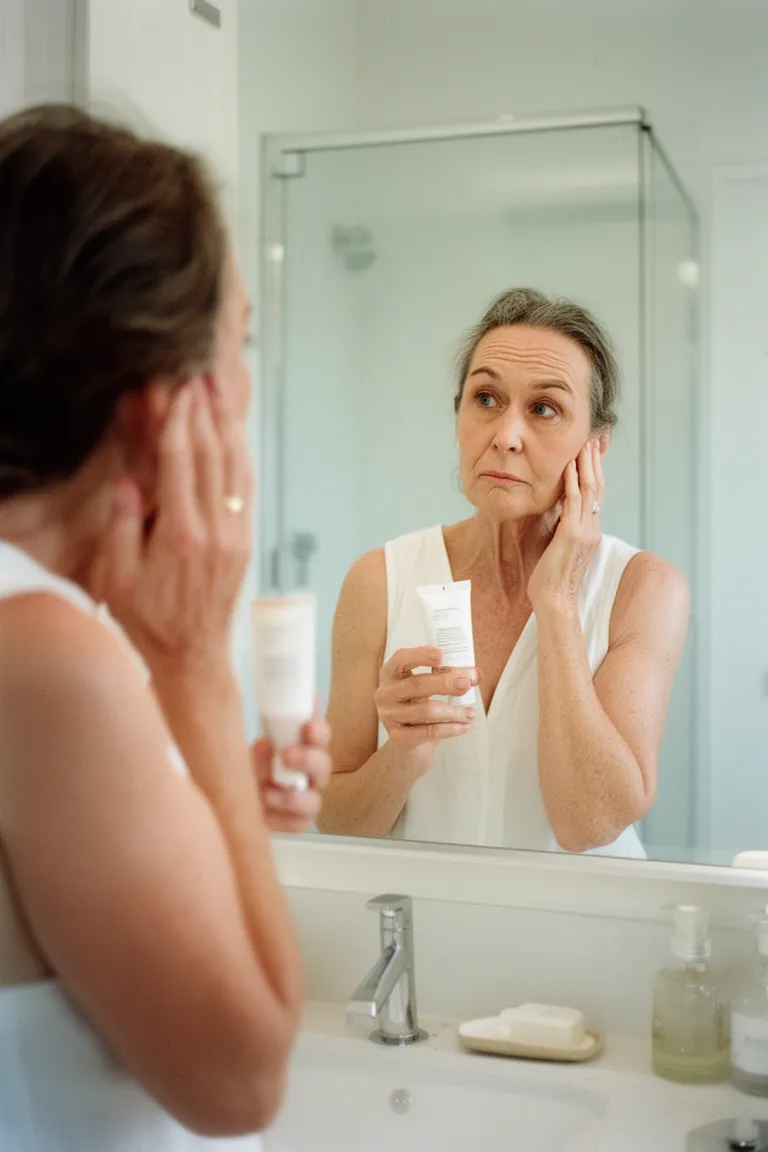
I was standing in my bathroom, leaning close to the unforgiving light of the vanity mirror, tracing the faint lines that seemed to have appeared overnight. At 48, I’ve made my peace with the natural progression of things, but I’ve also been meticulous—some might say obsessed—with a gentle, consistent skincare routine. My philosophy has always been about nurturing my skin, not assaulting it. So, when I kept hearing other women in my circle whisper about Skinception and its transformative results, my interest was piqued, but my guard was up. I’d been burned before, literally and figuratively, by products that promised the moon and delivered a rash. This time, I vowed to be smarter. But as I sat down at my computer to finally make the purchase, I was instantly plunged into a vortex of confusion. Dozens of sellers on Amazon, all claiming to offer the “real” Skinception, with prices swinging wildly and reviews that felt scripted. A cold knot of anxiety tightened in my stomach. This wasn’t just about buying a cream; it felt like navigating a minefield where a wrong click could mean wasting money or, worse, harming the skin I’d worked so hard to care for. The quest for self-care had somehow morphed into a stressful test of my detective skills, and I felt a deep vulnerability—here I was, someone who prided herself on being careful, almost getting duped. It’s a feeling I know many of you share, and it’s why I need to tell this story.
My Skincare Journey: Why Authenticity Matters More Than Ever to Me
My relationship with skincare is deeply personal, forged through decades of trial and painful error. It started in my 20s with simple drugstore routines, but by my 30s, as the first signs of sun damage and fine lines appeared, I began seeking out more targeted solutions. That’s when I made my first, and most costly, mistake. Lured by a glowing review on a blog, I purchased a “professional-grade” retinol serum from a website that looked official but, in hindsight, was just a clever copycat. The price was a steal—almost 40% less than the department store brand. The bottle arrived, the packaging slightly off-center, the seal a flimsy sticker. I ignored the warnings my gut was sending me. The product burned on application, a sharp, chemical tingle that escalated within minutes to a fiery red rash. My dermatologist later gently examined the tube and suggested it was almost certainly a counterfeit, likely filled with unstable concentrations of active ingredients or, worse, unknown irritants. The physical redness faded after a few weeks with a prescribed steroid cream, but the emotional scar lasted far longer. I felt foolish, violated, and deeply distrustful. That experience wasn't just a financial loss; it was a betrayal that made my own bathroom feel like a risky place.
From that moment, authenticity became my non-negotiable. It stopped being about chasing the trendiest ingredient and started being about traceability. When I first heard whispers about Skinception in my book club and yoga class, I was intrigued but cautious. The women mentioning it weren't influencers; they were real people like me, noticing a smoother texture, a brighter tone. But my past haunted every Google search. I wasn’t just looking for a product description; I was looking for a chain of custody. I needed to know that the complex blend of peptides and growth factors I was reading about was actually in the bottle, in the correct potency, and stored correctly to preserve its efficacy. The emotional toll of that past disappointment had turned me into a skincare skeptic, and honestly, I’m grateful for that. It forced me to develop personal criteria that went beyond marketing: proven ingredients from cited research, transparent sourcing, and most critically, a verifiable, direct line to the manufacturer. These were no longer luxury perks—they were the bare minimum for letting something touch my face.
The Amazon Allure: Why I Almost Clicked 'Buy Now' (and What Stopped Me)
Let’s be honest: Amazon is a siren song for someone like me. The convenience is intoxicating, a habit woven into the fabric of modern life. Two-day shipping, easy returns tucked into a familiar, trusted interface—it’s the path of least resistance. After my initial research, I went straight there, found the Skinception listing quickly, and my finger actually hovered over the “Buy Now” button. The price was even slightly lower than the numbers I’d glimpsed on other sites. The psychological draw was powerful—a potent cocktail of immediate gratification paired with the perceived savvy of finding a deal. For a fleeting moment, the old me, the one who wanted a quick fix, was winning.
But then, the vigilant me, the one forged in the fire of a bad reaction, made me pause. I scrolled down past the shiny “Add to Cart” button. The “Frequently Bought Together” section was a bizarre jumble of unrelated supplements and cheap facial rollers, which felt incongruent with a premium skincare product. Curiosity piqued, I clicked on the small, grey “Other Sellers on Amazon” link. That’s when the facade cracked open. I was met with a list of six, seven, eight different sellers with generic, robotic names: “Health_Beauty_WholeSale,” “Premium_Goods_Retail,” “GlobalWellnessDeals.” Their pricing was a chaotic spread, with some offers suspiciously low—the kind of discount that feels less like a sale and more like a red flag waving frantically.
I fell down a rabbit hole of reviews, sorting by “Most Recent” and then “Critical.” A disturbing pattern emerged. Buried among the generic five-star praises were specific, anxious voices that mirrored my own fears. One woman detailed receiving a box with the seal already broken, the tube inside only half-full. Another mentioned the cream had a “strange, chemical smell” nothing like the sample she’d once tried. Then I saw it, the question typed with palpable frustration: “Is Skinception on Amazon real or fake?” The comment section was a desert of non-answers—“contact the seller,” “maybe you got a bad batch.” No authority, no reassurance. The product images themselves varied between sellers; some had blurry, pixelated logos, others showed packaging with slightly different shades of color. The internal conflict was a physical pressure in my chest: the incredible speed and ease of Amazon versus the gnawing, visceral fear that I’d become another cautionary tale in a review section. That fear, rooted in the memory of my own inflamed skin, won out. I closed the tab, my heart pounding with a strange mix of disappointment and hard-earned caution. The convenience wasn’t worth the coin toss.
Unmasking the 'Official Store': My Deep Dive into Skinception's Direct Channel
Frustrated but more determined than ever, I decided to start my investigation from scratch. I needed to find the source, the root of the tree, not just a fallen branch being sold by a stranger. I opened a fresh browser window and deliberately avoided any sponsored ads, knowing they could lead to affiliate portals. I typed in a simple search for “Skinception official website” and looked not at the first result, but at the actual domain name in the URL. It took a few tries—there were copycats with extra hyphens or “shop” prefixes—but I finally landed on what felt, intuitively, like the legitimate home base.
The difference was palpable, and it wasn’t just about aesthetics. The design was clean, professional, and uncluttered. It felt like walking into a reputable doctor’s office versus a chaotic flea market stall. Here, the promises weren’t just sales copy; they were guarantees, printed clearly: a straightforward return policy, direct manufacturer support, and even information about batch tracking for ultimate transparency. I spent over an hour that evening, a cup of tea going cold beside me, reading every page. I explored the “Science” section, which explained the mechanisms behind the ingredients in language that was detailed yet accessible. I wasn’t just told it worked; I was shown how it was supposed to work.
Most importantly, I found a dedicated customer service channel—a listed phone number and a direct email address, not just a faceless marketplace messaging system that could vanish if a seller got shut down. This direct line of communication was a huge reassurance. My deep dive into Skinception's direct channel also revealed exclusive offerings: bundled kits designed to work synergistically, often with added value samples or tools you simply couldn’t find on Amazon. It became clear they were selling a regimen, an experience, not just a single product in a vacuum. The site provided evidence of genuine product sourcing I was desperate for: mentions of their manufacturing facilities, explanations of their quality control processes, and a transparency about ingredient suppliers that third-party sellers never bother with. It felt like I was buying a ticket directly from the airline, not from a sketchy third-party travel agency with too-good-to-be-true prices. I also learned about the importance of skinception customer reviews financial regret, which further solidified my need for authenticity.
Scientific Evidence
Beyond Price: The Hidden Costs of Counterfeit Skincare I Nearly Paid
This whole journey forced me to sit down and think critically about what “cost” really means in the context of skincare. Sure, the suspiciously cheap option on Amazon might have saved me $15 or $20 at checkout. But as I dug deeper, I realized I was only looking at the thinnest layer of the financial iceberg. The potential hidden costs lurking beneath the surface were staggering, and they went far beyond money.
First and foremost, the health risks. A counterfeit product is a black box. It could contain unknown ingredients—diluted actives that do nothing, contaminated bases swimming with bacteria, or dangerously high concentrations of acids that can cause chemical burns. It could include heavy metals, allergens, or outright toxic substances banned for use in cosmetics. The reaction I had in my 30s was bad enough, but what if it had been worse? A severe allergic reaction or a compromised skin barrier could set my skincare journey back months or even years, requiring expensive dermatologist appointments, prescription medications, and a long, painful recovery. The cost of repairing damage can eclipse the cost of a genuine product a hundred times over. The scientific community has extensively studied the challenges in drug development and pipeline management, highlighting the complexities of ensuring product integrity and efficacy, a principle that extends to skincare as well. For a deeper understanding of the hurdles in product development, consider Lessons learned from the fate of AstraZeneca's drug pipeline: a five-dimensional framework.
Then there’s the pure financial waste of an ineffective product. Spending $50 on a fake cream is literally throwing money in the trash. And with a third-party seller, what real recourse do you have? Navigating an Amazon return for a “not as described” item is one thing; trying to prove a product is counterfeit is a bureaucratic nightmare most of us don’t have the time or energy for. You’re often left with a useless bottle and a sense of defeat.
Furthermore, I started considering the ethical implication I’d previously ignored. Purchasing counterfeits supports a vast, unregulated black market. It undermines the real research, development, and innovation of legitimate companies. In some cases, these networks are linked to broader criminal activities. By choosing authenticity, I was voting with my wallet for safety, science, and ethical business practices. For me, the long-term damage of buying fake skincare wouldn’t just be to my skin’s moisture barrier, but to my trust in the entire process of self-care. The true value of investing in authentic products became crystal clear. It’s an investment in your safety, in guaranteed efficacy (or your money back), and in the profound peace of mind that lets you actually enjoy your routine, rather than fear it. That serenity is worth infinitely more than a fleeting discount. I also realized that exploring natural skin tightening solutions might be a more straightforward path if I couldn't trust product authenticity.
| Where You Buy | Biggest Perk | Biggest Risk | Realistic Outcome |
|---|---|---|---|
| Major Online Marketplaces (e.g., Amazon, eBay) | Speed, convenience, sometimes lower upfront cost | Receiving a counterfeit, expired, or tampered product with no real recourse | A gamble; you might get the real thing, but you have no sure way to know. |
| Third-Party Discount Beauty Sites | Deep discounts, bundled deals | Very high chance of old stock, fakes, or unauthorized "grey market" goods | Likely wasting money on an ineffective or unsafe product. |
| Official Brand Website | Guaranteed authenticity, manufacturer support, fresh stock, exclusive bundles | Potentially higher upfront cost, may have to wait longer for shipping | Confidence that you are using the genuine formula as intended. |
| Authorized Retailers (e.g., select dermatology clinics, premium spas) | Professional advice, verified supply chain | Can be the most expensive option, limited availability | Highest assurance of quality, coupled with expert guidance. |
The Investigation Toolkit: How I Learned to Spot a Fake From a Mile Away
After my deep dive, I felt like I’d earned a private investigator’s badge in the world of online skincare. I wanted to codify what I’d learned, not just for myself, but for anyone else feeling that same paralyzing confusion. It’s not about paranoia; it’s about developing a keen eye. First, price is a glaring signal. If a price seems too good to be true for a premium product like Skinception, it almost always is. Legitimate sales happen, but a 50% off deal from an unknown seller is a giant red flag. I also recalled my experience trying to reduce wrinkles naturally in my 40s, which taught me patience and diligence in seeking effective solutions.
Second, scrutinize the seller details. On any marketplace, look for the “Ships from” and “Sold by” information. Is it the brand itself, or a jumble of letters? A legitimate brand store will be clearly named. Third, become a packaging detective. Once you have a genuine product (or even just high-resolution images from the official site), you have a baseline. Look for differences in font weight, logo sharpness, color saturation, and the quality of the box material. Counterfeits often have subtle spelling errors, flimsy construction, or blurry printing.
Fourth, and this is crucial, trust the sensory details. The official site will often describe the product’s texture and scent. A fake might have a drastically different consistency—watery, overly greasy, or granular. It might have a strong, perfumed, or chemical odor instead of the subtle, clean scent of the real formula. Finally, check for a batch code or lot number, and see if you can verify it through the brand’s official website (some offer this feature). If there’s no code, or the seller can’t (or won’t) provide verifiable information about the product’s origin, walk away. These steps turned my anxiety into a practical skill set, empowering me to make decisions from a place of knowledge, not fear.
My Verdict: Where I Finally Decided to Buy Skinception (and Why You Should Too)
After my week-long journey from confused consumer to informed investigator, the decision no longer felt like a choice between two retailers. It felt like a choice between certainty and chance. I took a deep breath and placed my order directly through the official Skinception website. The process was smooth, devoid of the chaotic dropdown menus and third-party shipping options of the marketplace. I received a confirmation email not from “Amazon Payments” but from the company itself, with a clean tracking number and an expected delivery date.
When the package arrived three days later, it was an experience in itself. It was professionally packaged in a sealed box, the products nestled securely inside with tissue paper. Each bottle and tube had intact, firm safety seals. The packaging felt substantial, the text crisp. The texture of the cream, when I first sampled it, was exactly as described—rich but not heavy, absorbing quickly without a greasy residue. The scent was faint, clean, and unobtrusive. Most importantly, the feeling that washed over me wasn’t excitement, but profound relief. A calm settled in. I wasn’t applying a question mark to my face; I was applying a product with a verified pedigree.
So, here is my final recommendation for purchasing Skinception, born from my own costly lessons: bypass the middlemen and go direct. My actionable advice for anyone standing where I was, cursor blinking over the “Buy Now” button on a marketplace, is this: take the extra ten minutes. Open a new tab, find the true official website through careful search (not ads), and bookmark it. Look for the security seals, read the “About Us” and “Science” pages, and note the direct contact information. The peace of mind that comes from knowing you have a genuine product, backed by the manufacturer’s guarantees and fresh from their quality-controlled facility, is the ultimate luxury in today’s chaotic online shopping world. It transforms the act from a stressful transaction into a trustworthy, even joyful, part of your self-care ritual. I empowered myself to make an informed choice, and that confidence, more than any single ingredient, has been the best result of this entire journey.
Frequently Asked Questions
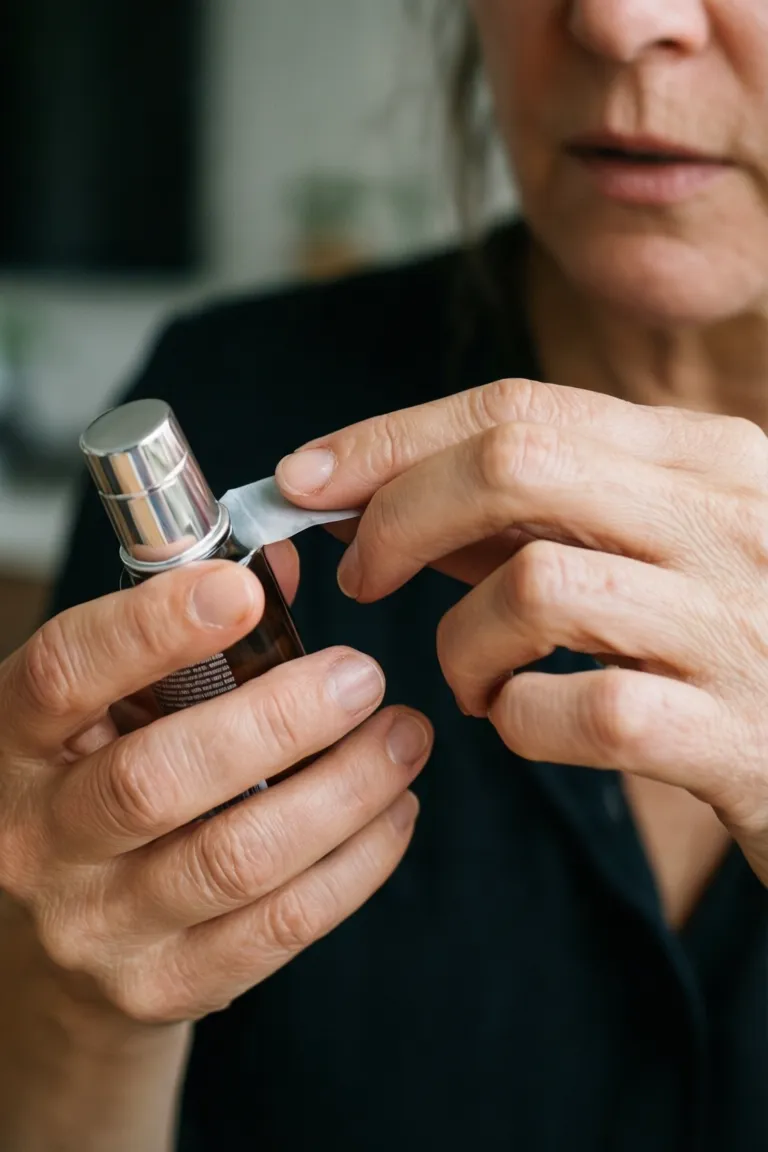
Q: I see Skinception on Amazon with Prime shipping. Isn’t that a guarantee it’s real? A: This is such a common and understandable assumption, and it’s exactly what almost tripped me up. Having Prime shipping only means Amazon is handling the logistics from their warehouse; it doesn’t verify the authenticity of the product inside the box. Due to a practice called “commingled inventory,” products from different sellers carrying the same SKU are often stored together. So, even if you buy from a reputable-looking seller, the item pulled from the bin could have come from a counterfeiter. Prime shipping guarantees speed, not authenticity.
Q: What are the most specific, telltale signs of a fake Skinception product I should look for on arrival? A: Based on my research and conversations, here’s your checklist: 1) Price: A drastic, unexplained discount. 2) Packaging: Misspellings, blurry logos, flimsy cardboard, or missing batch codes. 3) Seals: Broken, missing, or poorly adhered safety seals. 4) Product: Texture that is radically different from descriptions (e.g., too runny, separated, or gritty). A strong, unpleasant, or “chemical” smell. 5) Seller: Inability to provide a verifiable point of origin. If two or more of these raise flags, trust your gut.
Q: Does buying from the official site really lead to better results, or is it just the same product? A: This was my core question, and the answer is a definitive yes, it can absolutely impact results. It’s not just about getting the “real” formula. Skincare actives are delicate. Counterfeits may use degraded, incorrect, or unstable versions of ingredients, rendering them useless. Products sold through unauthorized channels may be old, expired, or stored in poor conditions (like hot warehouses), which breaks down actives. Buying Skinception direct from the manufacturer ensures you get a fresh, potent, and stable product formulated to work as intended. You’re not just paying for the cream; you’re paying for the guaranteed integrity of the science inside it.
Q: The official website doesn’t have the “one-click” ease of my Amazon account. Is the hassle really worth it? A: I framed it as a hassle initially, too. But I reframed it as an investment. The ten minutes it takes to create an account on the official site is a one-time task. Weigh that against the hours of stress wondering if your product is fake, the potential weeks of dealing with a bad skin reaction, or the months of using something ineffective. The convenience of Amazon is immediate but shallow; the “convenience” of buying direct is deeper—it’s the convenience of never having to worry, research, or doubt your purchase again. For a product that goes on your face, that’s a trade-off I’ll make every time.
Q: I already bought a product from a third-party seller that seems “off.” What should I do? A: First, stop using it immediately. Your skin’s health isn’t worth testing. Take clear photos of the product, packaging, seals, and any batch codes. Contact the seller directly through the marketplace platform to request a refund, stating your concerns about authenticity. If that fails, escalate to the marketplace’s customer service. You can also reach out to Skinception’s official customer support with your photos and details; while they can’t intervene in a third-party sale, they may be able to confirm if certain traits are inconsistent with their genuine product. It’s a frustrating process, and it highlights why avoiding the situation in the first place is the wisest path.
📌 Love this guide? Save it on Pinterest!
Pin Skinception Online: Official vs. Amazon 2026 - Avoid Scams! to your board so you can come back to it later.

