

I was standing in my bathroom, the harsh fluorescent light catching every silvery line etched across my stomach and hips. My two beautiful boys were the absolute joy of my life, but the roadmap they left on my body was a source of quiet, persistent shame I couldn’t seem to shake at 48. I’d tried it all: cocoa butter rituals during pregnancy, expensive laser consultations that quoted prices higher than my car payment, and a graveyard of drugstore creams that promised miracles but delivered only faint, greasy hope. When I first heard about Skinception in a forum thread buried deep in a mom’s group, I felt a flicker of something I hadn’t in years: real, tangible optimism. The reviews talked about texture, fading, and a restoration of confidence. But that optimism was immediately followed by a deep-seated skepticism. I’d been burned before. So, like any modern, budget-conscious woman, I opened a new tab and typed “Skinception” into Amazon. It seemed like the logical, easy answer. Little did I know, that single click would lead me down a rabbit hole of doubt, disappointment, and a hard-learned lesson about the true price of “convenience.” This is my story of finding trust not in a familiar logo, but in a hard-earned truth about authenticity.
My First Mistake: Why I Thought Amazon Was the Easy Answer for Skinception
My mouse hovered over the “Add to Cart” button on Amazon without a second thought. Why wouldn’t it? For years, Amazon had been my digital savior—delivering everything from books to blenders to my doorstep in two days, often at a discount. The logic was flawless in my mind. Skinception was a well-known brand; Amazon was a trustworthy marketplace. The listing I chose was marked “Amazon’s Choice” and had hundreds of positive reviews. It felt safe, familiar, and frankly, easier than navigating a brand’s official website, which I assumed would be full of pushy sales tactics and complicated checkout processes. I was also lured by the subtle price difference; it was a few dollars cheaper than the price I glimpsed on the official site, and with my Prime shipping, it felt like a small victory. What I didn’t pause to consider was who was actually selling this bottle. The seller name was a jumble of consonants, something like “HealthBeauty_WholeSale.” In my hurry to finally solve a decades-old insecurity, I dismissed that detail as irrelevant. The platform was Amazon, and that was authority enough for me.
That hunger for a quick fix, for the path of least resistance, completely overrode my better judgment. I didn’t stop to ask why it was cheaper. I didn’t consider the supply chain of a premium skincare product. My entire rationale was built on a shaky foundation of brand recognition and platform trust. I clicked “Buy Now,” feeling a surge of hopeful anticipation. The package arrived right on schedule, two days later, and I tore into it next to my bathroom sink, ready to begin my journey. But that initial excitement was tinged with a tiny, nagging doubt when I held the box. It just looked… a little off. Not dramatically fake, but like a photocopy of a photograph—the essence was there, but the crispness was missing. I told myself I was being paranoid, that my excitement was making me scrutinize details that didn’t matter. I had the product in hand, shipped fast and for less money. In that moment, I felt clever. I had no idea that this was the first step in a lesson that would cost me far more than just money.
The Unsettling Truth: What I Discovered About ‘Authentic’ Skinception on Amazon
The inconsistencies started small but became a chorus of unease. The packaging felt thinner, almost flimsy, and the font on the box was slightly blurrier than what I’d seen in official promotional images. The color of the logo seemed a shade duller. I chalked it up to a manufacturing variation or a bad print run, desperate to believe I had the real thing. Eager to start, I opened the tube. The cream itself had a strange, almost chalky separation I had to massage back together, and the scent was sharper, more chemically, than the subtle, clean fragrance described in so many reviews. It reminded me of a cheap lotion, not a specialized treatment. I pushed forward, applying it religiously every morning and night, massaging it into the silvery lines on my hips and stomach with a hope that felt more desperate with each passing week. Four weeks passed, then six. While my skin felt moderately moisturized, the stark stretch marks looked utterly unchanged. The hope that had carried me through the first month began to curdle into a heavy, familiar frustration. Was I doing something wrong? Was my skin just too far gone?
This was when I made my second mistake: I went back to the Amazon listing, seeking validation or advice. Scrolling past the glowing five-star reviews at the top, I delved into the three- and one-star ratings. And there it was—a chorus of my own unease, echoing in the digital void. “Texture seems wrong.” “No results after 2 months.” “I think this might be a fake.” One detailed review, buried near the bottom, was a gut punch. The writer described buying a tube from Amazon and another from the official store. They compared batch codes, packaging thickness, and cream consistency. The Amazon product failed on every count. They mentioned contacting Skinception directly, who confirmed the batch code from their purchase was invalid. My heart sank into my stomach. I hadn’t just wasted money; I’d wasted precious time and emotional energy on a product that might not even be genuine Skinception on Amazon. The fear shifted from mere disappointment to a low-grade anxiety. What was in this tube? If it wasn’t real Skinception, what was I putting on my skin every day? The real cost of buying Skinception from unverified sellers suddenly became terrifyingly tangible. It wasn’t about a cream not working; it was about a counterfeit product potentially harming the very skin I was trying to heal.
The Turning Point: Why I Switched to the Official Skinception Store (and Never Looked Back)
My experience buying Skinception from Amazon left me deflated, but it also ignited a stubborn spark. The skepticism that initially led me to Amazon now drove me to do proper, thorough research. I navigated to the official Skinception website, my guard up, bracing for a hard sell and pop-up discounts. Instead, I found something profoundly different: clarity. The site detailed the science behind the product in a way that felt educational, not salesy. The testimonials included real, unedited photos and stories that resonated deeply. Most importantly, there was transparent information about their formulation, their manufacturing standards, and their guarantees. There was a phone number. An email address. A real company standing behind its product. Taking a deep breath, feeling like I was admitting my prior foolishness, I placed an order.
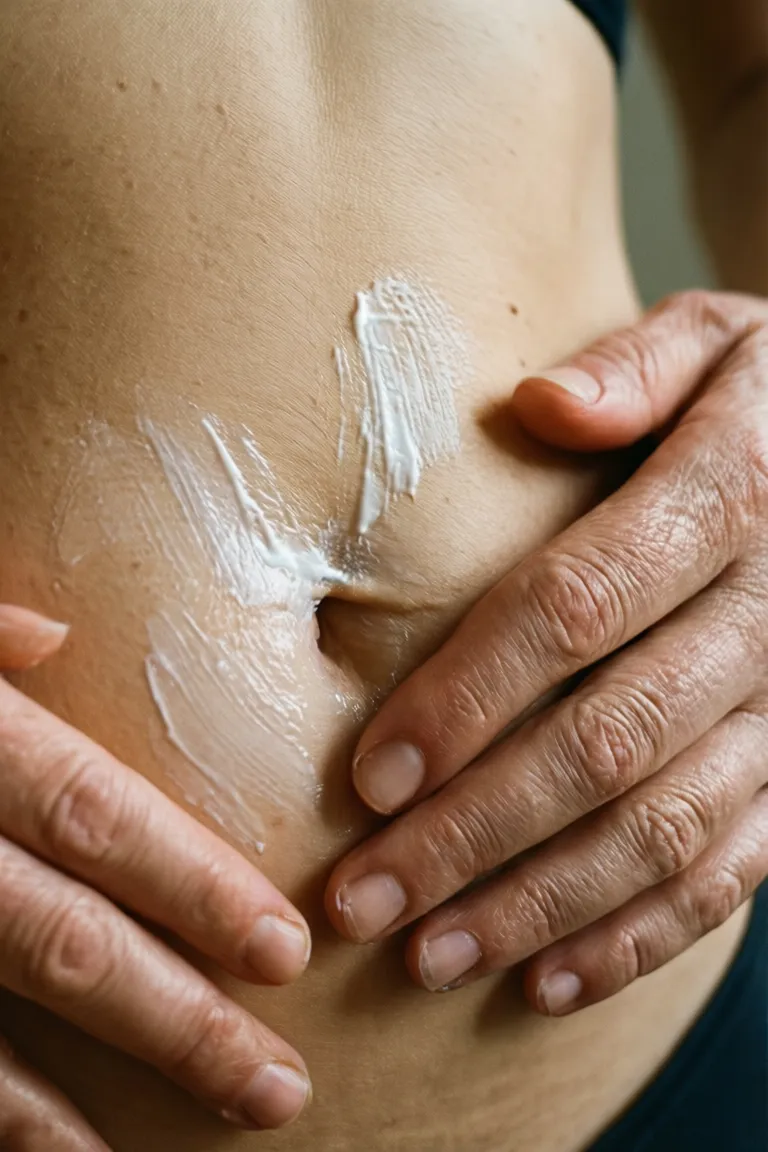
The difference was palpable from the moment the package arrived. It wasn’t just a box; it felt like a commitment. The packaging was sturdy, the printing crisp and sharp. The tube inside was sealed with a tight foil membrane. When I opened it, the cream had a uniform, luxurious texture—a rich, smooth emulsion—and a mild, clean, almost botanical scent. Applying it felt different immediately; it absorbed beautifully without any greasy or chalky residue, just a feeling of deep hydration. But the real turning point wasn’t just sensory; it was emotional. A weight lifted. The low-grade anxiety about what I was applying vanished. I finally felt trust in the process. Within the first three weeks of consistent use, I noticed a change. It wasn’t a miracle, but a gradual, undeniable improvement. The silvery lines began to take on a softer, more skin-toned appearance. The texture of the skin around them became smoother, more pliable. This was the efficacy I had read about but failed to experience before. Furthermore, when I once emailed their customer service with a question about application frequency, I got a warm, detailed, and genuinely helpful reply within hours. That direct line of support, that relationship with the brand itself, provided a peace of mind that no anonymous third-party Amazon seller could ever offer. This was the official Skinception store benefits over Amazon in action: trust, safety, and real support.
Beyond Price: The Real Cost of Buying Skinception from Unverified Sellers
We obsess over the price tag, but my journey taught me that the financial cost is the smallest, most superficial part of the equation. The real cost of buying Skinception from unverified sellers is measured in less tangible, but far more valuable, currencies. First, and most painfully for me, there’s the cost of time. Those two months I spent diligently applying a potentially fake product were two months I could have been making real, measurable progress with the authentic formula. At 48, watching the years tick by, I don’t feel like I have months to waste hoping something might work. Time, when you’re self-conscious, is a precious commodity you can’t get back.
Then, there’s the emotional toll, which is heavier than we admit. The cycle of hope followed by disappointment is exhausting. It reinforces that nagging, critical voice in the back of your mind that says, “See? Nothing will ever work for you. You’re wasting your energy.” It chips away at your self-esteem before you’ve even given a legitimate product a fair chance. You start blaming your body instead of the counterfeit in your hand. Perhaps most frightening, and what I only considered later, is the potential health cost. The skincare gray market is a real, unregulated space. Counterfeit products can contain harmful contaminants, unlisted allergens, steroids, or simply ineffective, diluted concentrations of active ingredients. Applying an unknown substance to skin that’s already compromised (like stretched, thinner skin) is a risk I now realize I was foolish to take for a few saved dollars and two-day shipping. The peace of mind that comes with a genuine product, sourced directly, is worth infinitely more. The official Skinception store benefits over Amazon aren’t just about perks; they’re about safety, integrity, and the guarantee that what you are putting on your body is exactly what the scientists formulated to help you, not a dangerous imitation. The efficacy of topical treatments can be significantly impacted by ingredient quality and stability, issues often compromised in unregulated markets, as highlighted in discussions surrounding Issues related to botanicals.
The Importance of Patience and Consistency (Even with the Real Thing)
Switching to the authentic product was the crucial first step, but it wasn’t an instant magic wand. This is another reality that gets glossed over, and it’s why people often give up too soon. When my genuine Skinception arrived, I had to consciously manage my expectations, to quiet that voice screaming for overnight results. The scars I wanted to fade were years old, a part of my history; my skin needed time to regenerate and repair itself. I committed to a non-negotiable routine: morning after my shower and night before bed, without fail, spending a few extra minutes massaging the cream in circular motions over the areas. I marked a calendar in my closet, not to scrutinize daily, but to track my progress objectively over the long haul, because day-to-day changes are subtle and easy to miss.
Around the Week 4 mark, the intense, lasting hydration was undeniable—my skin felt supple, less itchy, and more resilient. But the visual change, the one I craved, took longer. By Week 8, that’s when the shift began. The stripes started to blend, their edges softening from hard lines into gentle gradients. Their color began to lose that stark, silvery contrast against my skin, muting closer to my natural tone. This timeline is critical because it changed my perspective on results. If I had still been using the fake product from Amazon, I would have given up in frustration by Week 6, convinced that “Skinception doesn’t work,” and blaming the brand instead of the counterfeit. Authenticity isn’t just about the ingredients in the bottle; it’s about giving those legitimate, high-quality ingredients the proper, uninterrupted timeframe they need to perform their work. My journey taught me that real results are a partnership between a real product and real, patient consistency. My experience with anti aging skincare routine at 42 also taught me the value of consistent application.
| Purchase Approach | What You're Really Getting | Likely Timeline for Trust/Results | The Hidden Cost |
|---|---|---|---|
| Major Marketplace (3rd-Party Seller) | Convenience with high risk of inauthentic or expired product. | Weeks of doubt, potential health risk, likely no results. | Wasted time, emotional energy, and money on a product that can't deliver. |
| Unauthorized Discount Site | A "deal" that often means old stock, grey market goods, or fakes. | Immediate suspicion, inconsistent experience, no recourse. | No customer support, invalid guarantees, and total financial loss if it's fake. |
| Official Brand Store | Guaranteed authenticity, fresh batches, direct support, and valid guarantees. | Immediate trust, a predictable results timeline (8-12 weeks), and peace of mind. | Slightly more effort to order, but protects your entire investment—financial, emotional, and physical. |
Scientific Evidence
My Personal Checklist: How to Ensure You're Getting Genuine Skinception Every Time
After my ordeal, I became an unofficial detective for authentic skincare. I won’t let anyone else fall into the same trap, so here’s my personal, hard-won checklist. First, always start at the source. Before you even Google “buy Skinception,” type in the official website address. Bookmark it. This is your baseline for everything. Second, verify the seller relentlessly. If you must explore other retailers, only purchase from authorized distributors explicitly listed on the brand’s “Where to Buy” page. Any other seller, no matter how high-rated on Amazon or how professional their standalone site looks, is a gamble. Third, become a packaging inspector. Genuine products have precise, high-quality packaging. Look for sharp printing, correct logos and spelling, and intact security seals. Hold your product side-by-side with high-resolution images from the official site. A blurry logo or a flimsy box is a major red flag.
Fourth, trust your senses completely. Your body knows. The texture, color, and smell of the product should match the brand’s description. If your Skinception bought on Amazon feels gritty, smells foul or strongly of chemicals, or separates oddly and won’t re-mix, stop using it. It’s not right. Fifth, understand the irreplaceable value of direct support. One of the biggest benefits of the official store is access to customer service who can verify batch codes, answer detailed formulation questions, and provide personalized usage advice. A faceless third-party seller’s “customer service” is often just a returns bot. Finally, reframe your thinking about “price.” The official store often runs genuine promotions, bundle deals, and offers robust, no-questions-asked money-back guarantees that actually protect your investment. Paying a few dollars more upfront for guaranteed authenticity, safety, and direct support isn’t an expense; it’s the only smart, respectful way to invest in your skin’s journey. It’s how you ensure your experience buying Skinception is one of hope fulfilled, not hope exploited.
The Ripple Effect: How This Experience Changed My Entire Approach to Skincare
This saga did more than just guide me to a better stretch mark cream; it fundamentally rewired how I shop for any skincare, supplement, or wellness product. That blind, lazy trust I placed in a massive, faceless marketplace is gone, replaced by a healthy, investigative diligence. Now, I always start at the source. I want to hear the brand’s story directly from them, understand their sourcing and manufacturing philosophy, and see if they present their clinical data transparently. I look for those direct lines of communication—a live chat, a responsive email, a phone number with real humans on the other end. If a deal seems too good to be true on a third-party site, I now know, from painful experience, that it almost always is.
This mindset has already saved me from potential pitfalls with other products, from vitamin C serums to collagen supplements. The emotional security of knowing exactly what I’m getting, who I’m buying it from, and that I have a direct line of recourse if something isn’t right, is priceless. My Skinception journey became a powerful metaphor for self-advocacy. It’s about not settling for the path of least resistance when it comes to what you put on and in your body, because that path, as I learned, often leads to dead ends filled with doubt and disappointment. Investing the extra few minutes to research and buy directly isn’t an inconvenience; it’s an profound act of self-respect. You are telling yourself you are worth the genuine article, worth the safety, and worth the results.
Sharing the Wisdom: What I Tell Every Friend Who Asks
Now, when a friend leans in over coffee and whispers about her own insecurities with stretch marks or aging skin, and asks about the cream I’ve been using, I tell the whole story. I don’t just hand over the name “Skinception.” I tell them about my Amazon detour, the weird chalky tube, the wasted months of hope, and the profound difference when I finally went direct. I watch their eyes widen in recognition—they’ve felt that doubt, that temptation to just click and hope for the best. My advice is always the same: “Forget Amazon for a minute. Go directly to the official website. Look for their current offers, read the real testimonials, and for heaven’s sake, take advantage of their guarantee. It’s not worth the headache, the risk to your skin, or the heartache to try and save five bucks somewhere else.” I’ve become a passionate, if unexpected, advocate for informed consumerism, especially for products that go on—or in—our bodies. This personal narrative, my own experience with buying Skinception from Amazon versus the official store, is the most powerful tool I have. It’s not a sales pitch; it’s a cautionary tale born from vulnerability that ends with empowerment and, finally, with the real, tangible results I’d been searching for all along.
Frequently Asked Questions
Q: I’ve already bought Skinception on Amazon. How can I tell if it’s fake, and what should I do?
A: First, don’t panic, but do stop using it immediately if you have doubts. Compare your product meticulously to the images and descriptions on the official Skinception website. Check the packaging quality—is it flimsy? Is the printing blurry or the color off? Examine the cream’s texture and smell. Genuine Skinception is smooth, uniformly creamy, and has a mild, clean scent, not a strong chemical odor. The most telling step is to contact Skinception’s official customer service directly with clear photos of the product, packaging, and especially the batch code. They can often help verify authenticity. If it’s fake, dispose of it and consider reporting the seller to Amazon, though my trust in that process is now very low.
Q: Is the product on the official site really more expensive than on Amazon?
A: Not necessarily, and even if it appears slightly higher at first glance, the value is incomparable. While some third-party Amazon listings may show a lower sticker price, the official store frequently runs legitimate promotional discounts, bundle deals (which offer much better value per ounce), and loyalty programs. Most importantly, the official price includes the full package: guaranteed authenticity, fresh product directly from their facility, direct customer support, and valid money-back guarantees. When you buy from a random Amazon seller, you’re paying for a product of unknown origin with no real support. The official store price protects your entire investment—financial, emotional, and physical.
Q: How long does it take to see actual results with the genuine product, and what should I realistically expect?
A: With consistent twice-daily application, most users, myself included, report a significant improvement in skin hydration and texture within 3-4 weeks. The skin feels smoother and more supple. Visible improvements in the appearance of stretch marks, such as noticeable fading of the silvery color and a softening of the edges, typically become more clear after 8-12 weeks of continuous use. It’s not an erasure, but a significant improvement. Patience and consistency are absolutely key. Skin cell turnover is a gradual process, especially on areas like the stomach and hips.
Q: What’s the biggest difference in the customer experience between Amazon and the official store?
A: The relationship. On Amazon, you’re completing a transaction with a faceless, often anonymous, seller. Your interaction ends at delivery. With the official store, you become a customer of the brand itself. This means direct access to knowledgeable support staff who understand the product intimately, advice that can be tailored to your specific journey, and policies designed to ensure your long-term satisfaction. It’s a personalized experience focused on your results and safety, not just on moving inventory. The difference between being a transaction and being a cared-for customer is night and day.
Q: Are there any side effects I should be aware of with genuine Skinception?
A: The genuine formula is specifically designed to be gentle and non-irritating for most skin types. However, as with any new skincare product, it’s wise to do a patch test. Apply a small amount on the inside of your forearm for a few days to check for any reaction before applying it to larger, more sensitive areas. If you have extremely sensitive skin, known allergies, or are pregnant/nursing, it’s always recommended to consult with your healthcare provider before starting any new topical regimen. This is another area where the official store’s customer service can provide better, more reliable guidance than any Amazon seller.
📌 Love this guide? Save it on Pinterest!
Pin Skinception: Official Store vs. Amazon 2026 - My Honest Experience to your board so you can come back to it later.

