
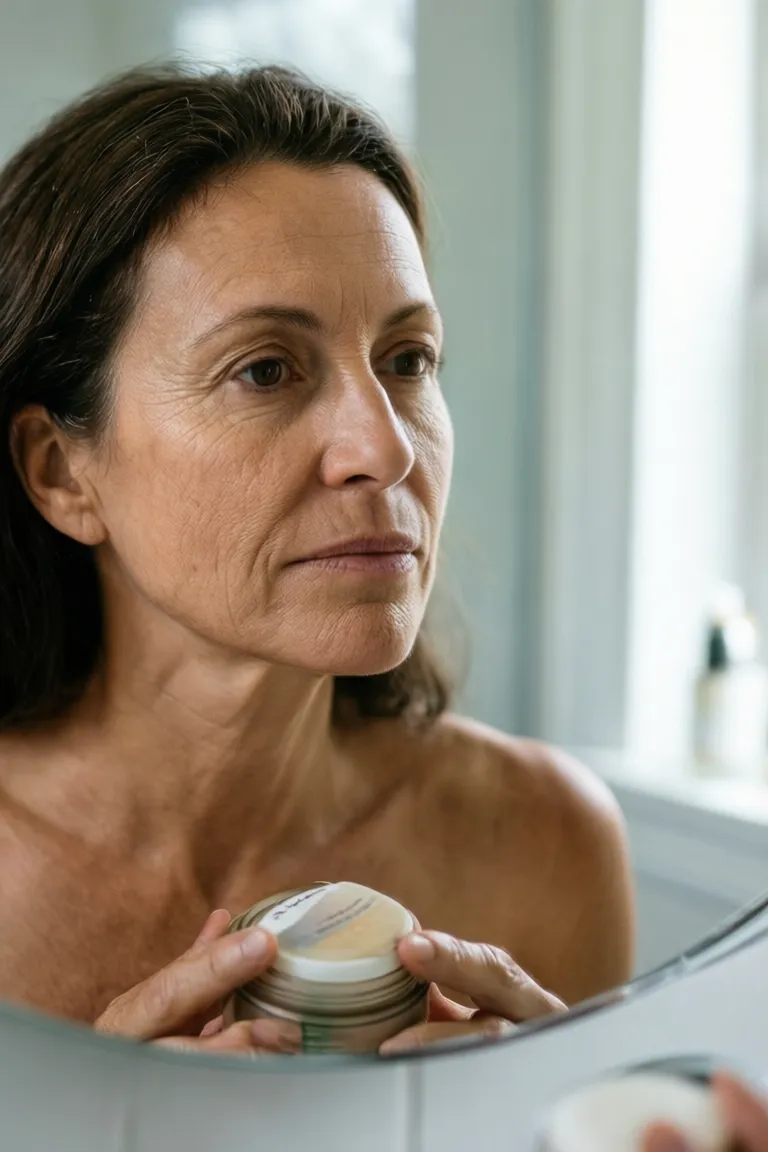
I’ve always believed that taking care of my skin was an investment in myself, a quiet promise I made every morning and night. As I navigated my late forties, watching fine lines deepen into something more persistent, that promise became a mission. I became more diligent than ever, a researcher of ingredients and a student of routines. When I discovered Skinception, the promise of targeted support for maturing skin resonated deeply. It felt like a potential ally in a battle I was determined to win. Like many of us, my first instinct was to be a savvy shopper. I headed straight to Amazon, thrilled to find it listed at what seemed like a competitive price, with the familiar comfort of Prime shipping. It felt like a win—a smart, convenient, modern solution. Until it wasn’t. For months, I rode a rollercoaster of hope and frustration, my confidence eroding with each application. I’d stare in the mirror, applying the serum with a sinking feeling, wondering why the “miracle” I’d read about in so many glowing official store reviews wasn’t happening for me. The realization that my “bargain” might be costing me more than just money was a slow, painful dawning. This is my story of confusion, discovery, and finally understanding why the source of your skincare matters just as much as the ingredients on the label. It’s about learning to trust the process, but first, learning who to trust.
The Moment I Realized My 'Bargain' Skinception Wasn't Working
The initial excitement was disarmingly real. My Amazon order arrived in two days, packaged in a simple, nondescript bubble mailer. I remember the feeling—that little thrill of a package arriving, of a new chapter in my skincare saga beginning. I tore it open, eager to integrate this highly-rated, promising product into my sacred nightly ritual. The first few weeks, I was buoyed by what I now recognize as placebo optimism. I’d examine my skin in the soft morning light, telling myself I could see a subtle glow, a hint of smoother texture. I wanted it to work so badly that I convinced myself it was. But by the end of the first month, that optimism began to curdle into a nagging doubt. The consistency of my results was maddeningly inconsistent. One week, my skin felt oddly tight and parched after application, as if the serum was sitting on top of my skin rather than sinking in. Another week, it seemed to do nothing at all—no hydration, no softness, just a vague feeling of wasted effort. I started scouring Reddit threads and beauty forums late at night, my heart sinking as I read posts from people raving about their transformative my Skinception journey: official store vs marketplace. Their detailed descriptions of a firmer feel, softened lines around the eyes, and a renewed radiance didn’t match my reality at all. My experience buying Skinception on Amazon vs official site was a story of confusion, not transformation. A quiet panic set in. Was my skin just uniquely stubborn, resistant to even the best formulas? Was I not using it correctly? The internal debate was exhausting and deeply personal: “Is it the product or the source?” I’d invested not just money, but hope and daily discipline into this routine. Facing the possibility that I’d been duped felt less like a shopping error and more like a personal failure—a betrayal of my own diligence. That moment of reckoning came one utterly ordinary Tuesday morning. As I went to reorder, I held my nearly empty Amazon bottle next to a high-resolution, zoomable product shot on the official Skinception website. The shade of the serum in my bottle looked… duller. The font on the label seemed less crisp. It was a whisper of a difference, but it was enough. Something was off, and I could no longer ignore the quiet voice telling me so.
Spotting the Red Flags: How My Amazon Skinception Differed From the Real Deal
Armed with a gut feeling that had hardened into suspicion, I decided to conduct a little experiment. I bit the bullet and purchased a bottle directly from the official Skinception store, bracing myself for the higher price but desperate for definitive answers. I needed to know if the problem was me or the product. When the official package arrived, it wasn’t in a bubble mailer; it was in a proper box, with packing material cushioning the product. The differences weren’t glaringly obvious to a casual glance—a clever counterfeit wouldn’t be—but to someone who had been living with the other bottle for months, they were telling. Side by side, the packaging from Amazon had a slightly blurrier, less sharp font on the back ingredient list. The plastic of the bottle itself felt a fraction thinner, less substantial in my hand, with a seam that was just a bit more pronounced.
The most revealing test, however, was sensory. I opened both bottles. The serum from the official store had a distinct, clean, and subtly botanical scent—like aloe and something fresh. It was pleasant and faded into the skin. The Amazon version’s smell was sharper, almost chemically sweet, and it seemed to evaporate into a faint, plasticky odor after application. But the texture was the real, undeniable giveaway. The genuine product had a luxurious, velvety slip. It poured slowly, cohesively, and absorbed beautifully without a trace of residue. The one I’d been using was runnier. It pooled in my palm differently, spreading too quickly, and left a faint, almost tacky film that I’d previously blamed on my moisturizer. This wasn’t just about packaging discrepancies; it was about the entire experience. Applying the real formula felt like a nourishing treat. Applying the other had become a chore fueled by silent doubt. It finally clicked, standing there at my bathroom sink with two nearly identical bottles: I wasn’t judging Skinception; I was judging a compromised imitation. This tangible difference was the physical proof of the authenticity concerns Skinception Amazon purchases so often generate in those worried forum posts.
My Deep Dive: Why Buying Skinception Directly From the Official Store Changed Everything
The switch from the questionable bottle to the official one was immediate and profound in its effects. It wasn’t an overnight miracle—real skincare never is—but within two weeks, the entire trajectory of my skin’s health changed. The occasional irritation and unexplained tightness vanished completely. In its place was genuine, deep hydration and a visible improvement in my skin’s elasticity. My complexion didn’t just feel better; it looked alive in a way it hadn’t for months. This dramatic shift forced me to do the research I should have done initially, transforming my frustration into education.
I learned that buying directly from the brand’s store isn’t just a transactional preference; it’s a guarantee of integrity from lab to face. These companies control the entire storage chain—temperature, light exposure, shelf life—from their climate-controlled warehouse to your doorstep. This ensures the delicate active ingredients, the very peptides and complexes I was paying for, remain potent and stable. My deep dive led me to the unsettling truth about third-party marketplaces: inventory commingling. Even on a platform as vast as Amazon, products from different sellers—authorized and unauthorized—can end up in the same fulfillment bin. When you click “buy,” the warehouse picker grabs the nearest one. That means the bottle from a reputable seller gets stored right next to one from a shady third-party liquidator, with absolutely no way to guarantee which one lands on your doorstep. Suddenly, the polarized official Skinception store vs Amazon reviews made brutal, perfect sense. The people writing ecstatic testimonials were likely getting fresh, authentic product straight from the source. Those writing confused, disappointed complaints like mine were possibly, probably, holding a counterfeit, an expired batch, or a bottle that had been baking in a hot storage container for a year.
Furthermore, the experience of customer support was worlds apart. A question I had about layering the serum was answered quickly and knowledgeably by someone who understood the product’s science, not by a generic marketplace helper reading from a script. The peace of mind that came with this direct line to the brand became part of the treatment itself. I was no longer alone with my skincare. I found that a best routine for skin elasticity after 40 was easier to maintain when I trusted the products I was using.
Beyond Price: The Hidden Costs of Counterfeit Skincare and Why Authenticity Matters
We so often frame these purchasing decisions around saving a few dollars, congratulating ourselves on finding a “deal.” But my journey taught me that the true cost of counterfeit or compromised skincare is measured in a much heavier currency. First, there’s the straightforward financial waste: spending hard-earned money on something that is literally useless or, worse, actively harmful. My Amazon “bargain” was a total loss, a donation to a fraudulent supply chain.
Then, there’s the health risk, which feels almost too intimate to consider. We’re applying these serums and creams to our faces, our largest and most visible organ. Without any regulation, counterfeit products can contain anything—heavy metals like lead and mercury, unlisted allergens, bacterial contaminants, or simply incorrect, dangerously high concentrations of acids that can burn or permanently damage the skin barrier. You’re not just gambling with your money; you’re gambling with your skin’s health. I learned that even with diligent care, sometimes unexpected issues arise, like stretch marks even though I work out and maintain a stable weight, and it's important to address all skin concerns with reliable products.
But the emotional toll is what I found most profound and what is almost always overlooked. For months, I battled feelings of frustration, inadequacy, and a creeping cynicism. I blamed my age, my genetics, my diet, my entire routine. I wondered if this was just what “aging” felt like—a gradual, inevitable decline in efficacy. That erosion of self-trust and the distrust it bred in the entire skincare industry was a heavy burden. It made my self-care ritual, once a source of calm, into a source of stress. This experience taught me that authenticity matters not just for the efficacy of a product, but for the very integrity of your relationship with yourself. Protecting that trust, that safe space of self-care, is worth every single penny of the legitimate retail price. Research into Reference materials for food authentication highlights the broader challenges in ensuring product integrity across various industries.
| Purchasing Approach | Best For | Realistic Outcome Timeline | Key Consideration |
|---|---|---|---|
| Third-Party Marketplaces (e.g., Amazon, eBay) | Those prioritizing convenience & lowest upfront cost | Highly inconsistent (0-12+ weeks) | High risk of counterfeit, expired, or degraded product; results are a gamble. |
| Authorized Retailers (Verified by Brand) | Shoppers wanting flexibility with some assurance | 4–8 weeks for consistent results | Requires diligent verification; inventory can still be older than direct-from-brand. |
| Official Brand Store Online | Anyone seeking guaranteed authenticity & freshness | 2–4 weeks for noticeable improvement | Highest assurance of fresh, potent, and correctly formulated product. |
| Direct from Dermatologist/Clinic | Individuals with specific skin conditions or concerns | Varies with professional guidance | Often includes professional advice but can be the most limited in accessibility. |
My Hard-Earned Advice: How to Ensure You're Always Getting Genuine Skinception
If my months of doubt and eventual discovery can save one person from that exhausting cycle, sharing this checklist is worth it. This is my hard-earned, battle-tested guide for navigating the murky waters of online skincare shopping. First, always, always start at the official website. Bookmark it. Use it as your holy grail of reference for high-resolution packaging images, exact product descriptions, batch code formats, and ingredient lists. Even if you ultimately purchase elsewhere, you have the truth to compare against.
Second, if you do consider a third-party seller, only buy from authorized retailers explicitly listed on the brand’s “Where to Buy” page. Don’t take a seller’s word for it; verify their authorization directly with the brand if needed. Third, become a forensic reviewer. When scanning Amazon or other marketplace reviews, filter by “most recent” and search for keywords like “fake,” “different texture,” “no results,” or “smell is off.” You’ll often uncover a telling pattern of authenticity concerns that the top, possibly manipulated, reviews hide. I learned that sometimes, even with the best intentions, you might need a dermatologist recommended anti wrinkle cream that doesn’t damage skin barrier, and it’s crucial to get that from a trusted source.
Fourth, and most importantly, trust your senses. Your body is a sophisticated detection device. If the product’s color, smell, or texture seems even slightly off compared to the official description or a known-good sample, stop. Do not use it. Contact the manufacturer’s customer service directly with clear photos; they can often help verify legitimacy or identify a fake. Finally, reframe the cost in your mind. That slightly higher price from the source isn’t an upsell; it’s your insurance policy. It buys you freshness, guaranteed potency, your safety, and ultimately, real results. It’s the only way to embark on a true my Skinception journey worth writing about, rather than one you want to forget.
Scientific Evidence
The Ripple Effect: How This Experience Transformed My Entire Approach to Skincare
This wasn’t just a lesson about one serum or one brand; it fundamentally rewired how I shop for and think about all my skincare. I no longer see “sold by Amazon” or “Prime” as a blanket guarantee of anything other than fast shipping. I now actively research brands to understand their authorized distribution channels before I even look at a product. I’ve learned that for treatments with sensitive, potent actives—like the retinoids, vitamin C, and precise peptide complexes in products like Skinception—the supply chain isn’t a footnote; it’s chapter one. A vitamin C serum oxidized in a hot warehouse for months is biologically useless, regardless of the discount. A retinol degraded by light is just expensive face oil.
My entire routine has become simpler, more intentional, and infinitely more effective because every product in it is there by verified, conscious choice, not algorithmic chance or price-tag allure. The peace of mind is palpable. I apply my skincare now with confidence and quiet ritual, not with a silent prayer or a side of skepticism. That shift—from a mindset of scarcity (“find the cheapest deal”) to one of quality assurance (“invest in verified efficacy”)—has been the most valuable, lasting result of this entire ordeal. It restored my faith in the process and in myself.
A Message to My Former Self (And Anyone on the Fence)
If I could go back and talk to my former self, that woman excitedly clicking “Add to Cart” on that too-good-to-be-true Amazon listing, I’d gently take my own hand. I’d say, “You are investing in more than skincare. You are investing in your confidence, in your sense of self when you catch your reflection, in the quiet ritual of caring for yourself. Don’t cut corners on that. The few dollars you think you’re saving are a tiny, insignificant fraction of the cost of your time, your hope, your trust, and your skin’s long-term health.”
To anyone reading this, feeling that familiar, sinking tug of skepticism because your Skinception from Amazon didn’t work, I see you. Your frustration is valid. That confusion is real. It’s not in your head. The path to real results is often simpler and more straightforward than we’ve been conditioned to believe: it’s going straight to the source. Let my months of trial, error, doubt, and eventual, hard-won clarity be your shortcut. Your skin, your peace of mind, and your journey deserve nothing less than the genuine article.
Frequently Asked Questions
Q: Is Skinception sold on Amazon fake? A: It's a critical distinction: not every single bottle sold on Amazon is fake, but the platform's structure creates a very high risk. Due to inventory commingling—where products from all sellers are mixed together in Amazon's warehouses—you have no guarantee the bottle you receive came from an authorized source, even if you ordered from a "legitimate" listing. It could be genuine, but it could just as easily be a counterfeit, an expired batch, or a product that has been degraded by poor storage. My personal experience and the patterns in negative reviews suggest that for a sensitive, results-driven product like this, the risk far outweighs any minor savings.
Q: How can I tell if my Skinception is real or fake? A: Your best tool is direct comparison. Use the official Skinception website as your master reference. Examine your product's packaging under good light: look for blurry printing, misspellings, or cheap-feeling materials on the bottle and box. Then, do a sensory test. The authentic serum has a specific, velvety texture that absorbs completely and a clean, subtle, almost fresh scent. A fake is often runnier, leaves a residue, and can have a sharp, chemical, or overly perfumed smell. Any significant deviation is a major red flag. When in doubt, the most definitive step is to contact Skinception's customer service directly with photos of your product and its batch code.
Q: Why didn’t I see any results with my Skinception from Amazon? A: There are a few likely reasons, all stemming from the product's compromised provenance. First, it could be an outright counterfeit, containing little to none of the advertised active ingredients. Second, it might be genuine but expired, with the key compounds having degraded past their effectiveness. Third, and very common, it could have been subjected to extreme temperatures or sunlight during unregulated storage, which can destabilize delicate peptides and render them useless. The inconsistent results—sometimes feeling like it did something, other times nothing—were the biggest clue in my journey that the product's quality and potency were unreliable.
Q: What are the real risks of using counterfeit skincare? A: The risks extend far beyond wasted money and into the realm of personal health. Counterfeit products operate outside any regulatory oversight. They can contain harmful contaminants like bacteria, heavy metals (lead, mercury), or undeclared allergens that cause severe rashes, contact dermatitis, or long-term sensitization. They can also use incorrect pH levels or dangerously high concentrations of acids, leading to chemical burns or a severely compromised skin barrier that takes months to repair. The emotional and psychological toll—the frustration, the shattered trust in your own judgment and in skincare as a whole—is a significant, often hidden cost.
Q: Is the official Skinception store more expensive than Amazon? A: The official store sells at the manufacturer's suggested retail price (MSRP), which is the intended value price for a guaranteed authentic, fresh, and fully potent product. While you may occasionally find Amazon listings slightly below this, that "savings" is a dangerous illusion. You are essentially paying a little less to gamble on receiving a product that might be ineffective or harmful. Furthermore, the official store often runs exclusive promotions, offers first-time buyer discounts, and has loyalty programs that provide real value. When you factor in the guarantee of safety, efficacy, and direct customer support, the official price is not an expense; it's a validated investment.
Q: I have sensitive skin and worry about reactions. Does buying from the official store help? A: Absolutely, in a crucial way. When you buy from the official store, you are guaranteed a pure, correctly formulated product. This means if you do experience a reaction, you and your dermatologist can be confident it's a response to the actual, listed ingredients (like a specific peptide or botanical), allowing you to make informed choices about future products. With a counterfeit, you have no idea what you're reacting to—it could be an industrial solvent, a toxic metal, or a mystery allergen. Buying authentic gives you a clear, safe baseline for understanding your skin's unique needs and tolerances.
📌 Love this guide? Save it on Pinterest!
Pin Skinception: Official Store vs. Amazon 2026 - Is It Real? to your board so you can come back to it later.

